


The entertainment industry in the US is entering 2026 with a very distinct change of priorities. Platforms are growing, competition is rising, and users are increasingly picky about which services they devote their time and money to. It goes without saying that the industry is saturated, and all brands are competing to have clean interfaces, safer transactions, more direct compliance regulations, and a smoother user experience between sign-up and daily use. Gone are the days of having to put up with slow systems or complex payment flows. Viewers desire speed, simplicity, and platforms that are easy to navigate since they arrive at the home page.
Payment Methods Are Still The Anchor
Payment systems sat back and watched companies concentrate on content and creative strategies. That is no longer the case. Today, user confidence is shaped first by payment methods, not features, and entertainment brands often look to sectors that have already mastered reliability. One of the clearest examples comes from online casino options in the US, where platforms have spent years refining straightforward sign-up flows, consistent payment routing, and fast verification processes to minimize friction. These models demonstrate how deposits, withdrawals, and identity checks can be processed efficiently and transparently without compromising the user experience.
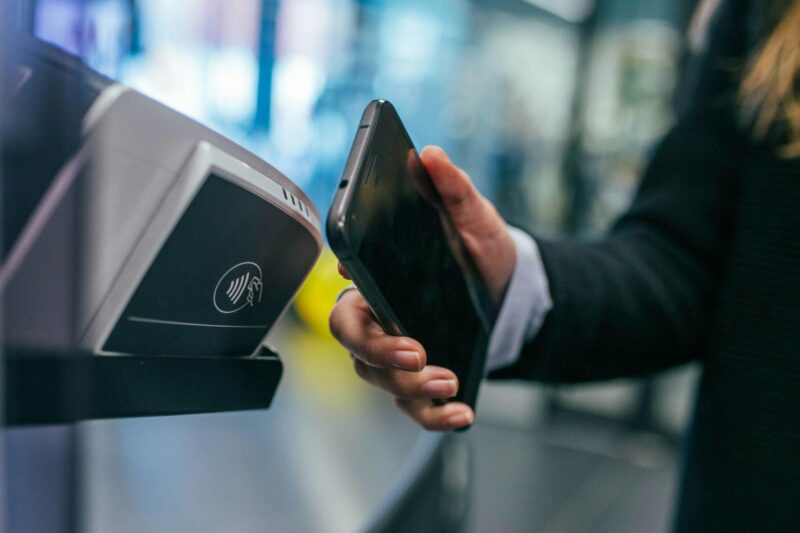
As a result, payment options that can be incorporated into the daily use cases of many US customers have become an expectation rather than being a “nice-to-have”. For example, target audiences are now using digital wallets because they are faster than manual payment processes. Both card payments and bank payments have been forced to streamline their user flows. This experience must be smooth, especially since players give up sessions when they encounter a hitch. On the other hand, music and streaming subscribers cancel within minutes when onboarding is more annoying than it should be. This highlights that every second counts.
Also read: Why Travel Brands Are Still Playing It Safe With AI
Compliance Is Now on the Front of House
Compliance used to be hidden in the legal pages at the bottom of a site. Now it shapes product design. The regulatory environment in the US regarding payments, data processing, and security measures like biometric payment systems has become extremely strict, and entertainment platforms must adapt without burdening the user experience. Compliance is not just paperwork, as most companies have already learned. It influences signup processes, payment authentication, data storage, and even the way content is suggested throughout the platform.
The actual change is occurring behind the scenes. Entertainment brands are now supposed to authenticate identities without slowing down user flows. They are supposed to keep data using policies that are transparent and provide users with a clear picture of how their data is utilized. On the other hand, they should offer security without overwhelming the interface with warnings or additional measures. Good compliance blends in. It does not make users feel controlled, but at the same time makes them feel secure.
In 2026, government pressure will intensify, particularly in cross-border transactions, advertising disclosure, and data-sharing policies among partner companies. It might be cumbersome to some entertainment brands, yet the most popular platforms already position compliance as a competitive edge. They are aware that the companies that experience the highest drop-off rates are those that cause trust to become complex.
The Demand for a New User Experience
User experience is turning out to be the difference between growth and stagnation. The US market has come to a stage where only a handful will give anything a one-time trial, but very few will give a platform a third chance; thus, offering frictionless customer experiences becomes crucial. Applications that previously got away with messy designs or lengthy installation procedures have begun to lose their footing to newer applications that are designed around simplicity. The need to have clean navigation, fast access, and truthful messaging is more than ever.
Design in 2026 is not merely an aesthetic decision. It is a practical necessity. Entertainment platforms are concerned with motion. Individuals commute in streams, scroll through short-form content when waiting in line, attend live events during lunch break,s and change devices throughout the day. Interfaces should be able to change without failure. The transition between screens should be automatic. In case it seems complex, the user proceeds and finds something that seems lighter.
Personalization is on the increase, yet brands are becoming more cautious about how they implement it. Users desire suggestions that are not obtrusive. They desire choices that are more personal to them without feeling that the platform is keeping too close an eye on them. Personalisation is now more dependent on behaviour in the platform and less on external tracking, which is in line with new privacy expectations in the US. Firms that find this balance offer feeds that are personalized without going over the boundaries that raise eyebrows.
Delivery of Content Should Be Immediate
Entertainment is no longer a fixed format. Most of it moves in real time. Live sports, esports events, streaming premieres, interactive social platforms, and large-scale music releases all require instant access. Slow platforms miss the moment. Users are not patient with apps that buffer during big events or lose quality when the audience is large.
Design is as important as infrastructure. Platforms need to invest in more robust delivery networks, more intelligent compression technology, and distribution strategies that can withstand high-traffic windows. The US viewers demand HD and audio quality without delays, even at peak time. Anything less is out of date. The demands are high, and the companies that fulfil them have a long-term advantage.
2026 Requires a More Integrated Stack
The whole entertainment ecosystem is interconnected. Payments support access. Compliance supports trust. UX supports engagement. Retention is supported by content delivery. Every work influences the others, and 2026 is the year when these components cease to be independent departments. Businesses are now supposed to consider the entire journey as one.
There is no way to have a perfect user experience when the process of payment verification is too long. There can be no strong compliance when the rules are difficult to locate due to design. Streaming of high quality cannot survive when the interface fails under pressure. It is only through the running of the whole system that growth occurs.