

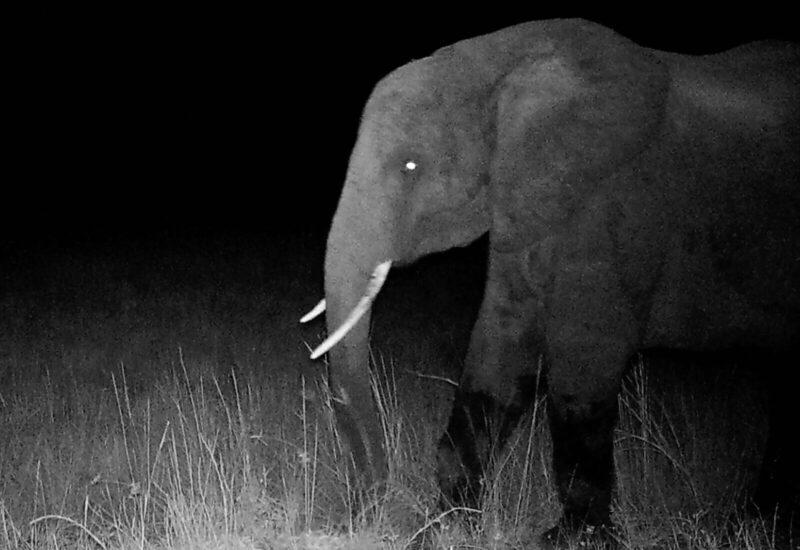
Across Africa’s vast landscapes, the disappearance of wildlife is measurable and accelerated, yet increasingly invisible. In Ghost Elephants, conservation biologist Dr. Steve Boyes and filmmaker Werner Herzog head to the remote, high-altitude woodlands and wetlands of Angola to confront a haunting question: What happens when a species still exists, but cannot be seen?
The documentary from National Geographic serves as an urgent exploration of how technology, data, and indigenous knowledge shape whether elephants remain ecological architects or fade into memory.
The Myth Behind Ghost Elephants
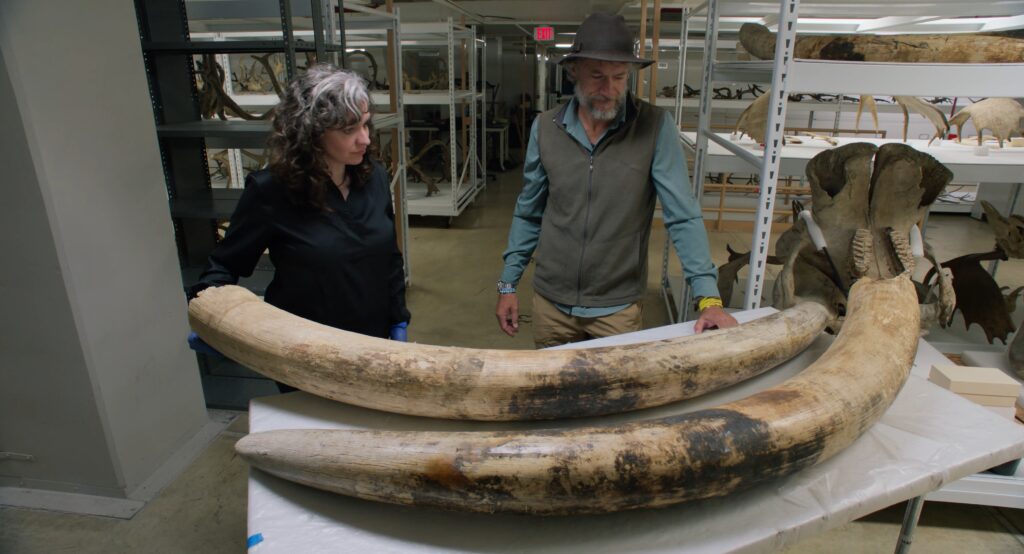
The term ghost elephants carries both cultural and scientific weight. Locals see them as spiritually connected, communicating only with ancestors. Ritual guidance shapes human interaction with these herds. “Science doesn’t explain it,” explained Boyes. “The king’s account of an elephant taking its skin off and becoming a lady is probably the closest you can get to understanding what a ghost elephant is.”
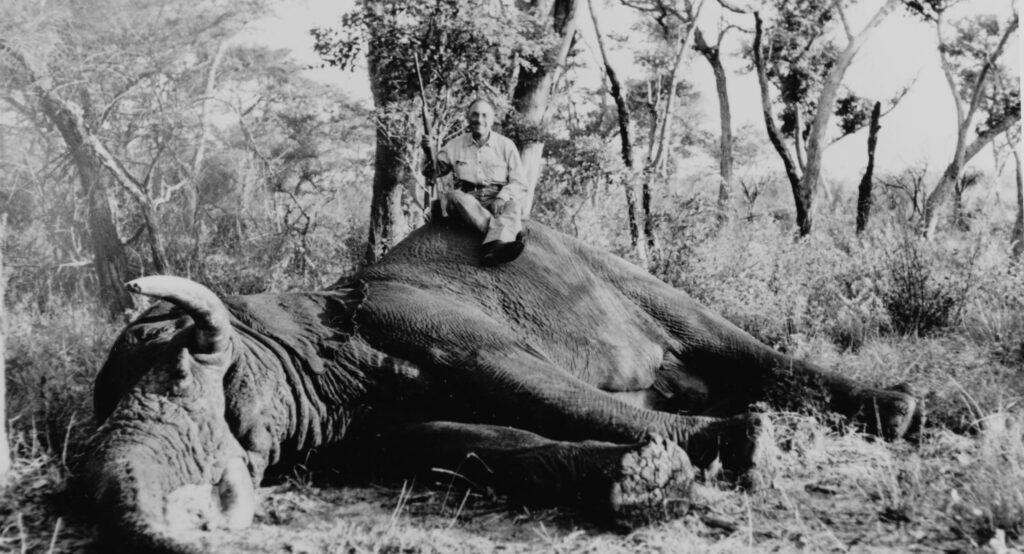
Elephant populations have collapsed dramatically. Africa held over 10 million elephants in 1900. Today, numbers hover around 400,000, fragmented across isolated habitats. Their survival depends on ecological systems as much as direct observation. Boyes emphasized the stakes, explaining: “To protect the ghost elephants, we need to protect the water because they sit in the Angolan highlands water tower.”
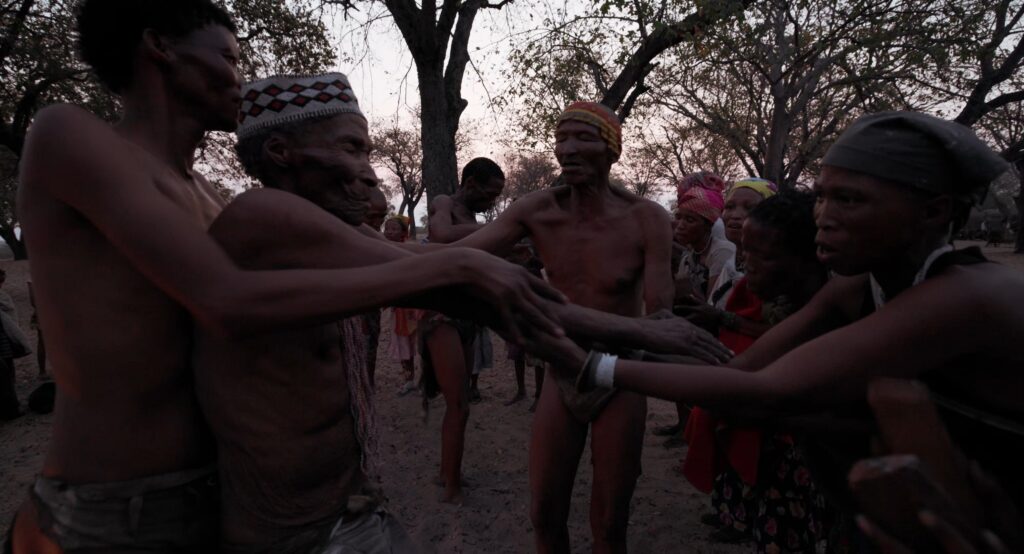
Traditional monitoring often fails. Elephants avoid humans, making sightings rare. Boyes notes the effort required, including a “trance dance” that gives permission to join them. Researchers supplement ritual with technology, deploying hundreds of camera traps, drones, and acoustic sensors. It took seven years to capture usable images of these elusive herds.
Ghost elephants are a myth, yet also a reality. This presents a distinct challenge for Boyes, scientists and locals alike. Their continued existence depends on integrating cultural understanding, ecological insight, and technological innovation.
How Technology Is Rewriting Elephant Conservation
Environmental DNA and Genomic Mapping
Modern conservation increasingly relies on environmental DNA (eDNA). Researchers analyze water and dung to identify species and track genetic connectivity. Boyes highlights the power of these methods, which aided in creating the largest freshwater fish collection in the southern hemisphere.
Genomic sequencing reconstructs historic migration corridors, revealing patterns shaped by rivers and landscapes. Expensive machines now deliver genomes in hours at a fraction of previous costs. His
insights guide strategic conservation interventions and habitat prioritization, adding there is much to be done. “We 100% do not understand elephant subspecies connectivity historically,” Boyes noted.
Satellite Surveillance and AI Wildlife Monitoring
High-resolution satellite imagery enables daily elephant tracking. Sub-30cm resolution reveals movement patterns across river basins, while AI platforms analyze these massive datasets. Boyes stresses ethical boundaries, however. “Write algorithms that exclude people from the imagery so we’re not spying on people,” he insisted. “Just elephants. I just want to see elephants.That’s what we need.”
Despite progress, AI adoption lags behind potential. Processing delays, data integration challenges, and policy gaps slow real-time monitoring. Meanwhile, satellites offer unprecedented scale, allowing populations to be counted and valued as ecological and economic assets.
Camera Traps, Drones, and Sensor Networks
On the ground, technology supplements observation. Researchers deploy hundreds of camera traps, drones, and acoustic sensors across remote landscapes. Boyes reflected on the effort, noting it took seven years to capture usable images of the ghost elephants. He stressed that every sighting counts.
These tools reveal avoidance behavior and movement corridors invisible to human observers. Combined with eDNA and satellites, they provide a multi-layered view of elephant populations, informing both conservation strategy and policy engagement.
BioRescue Leads White Rhino Conservation Efforts in The Last Rhinos: A New Hope
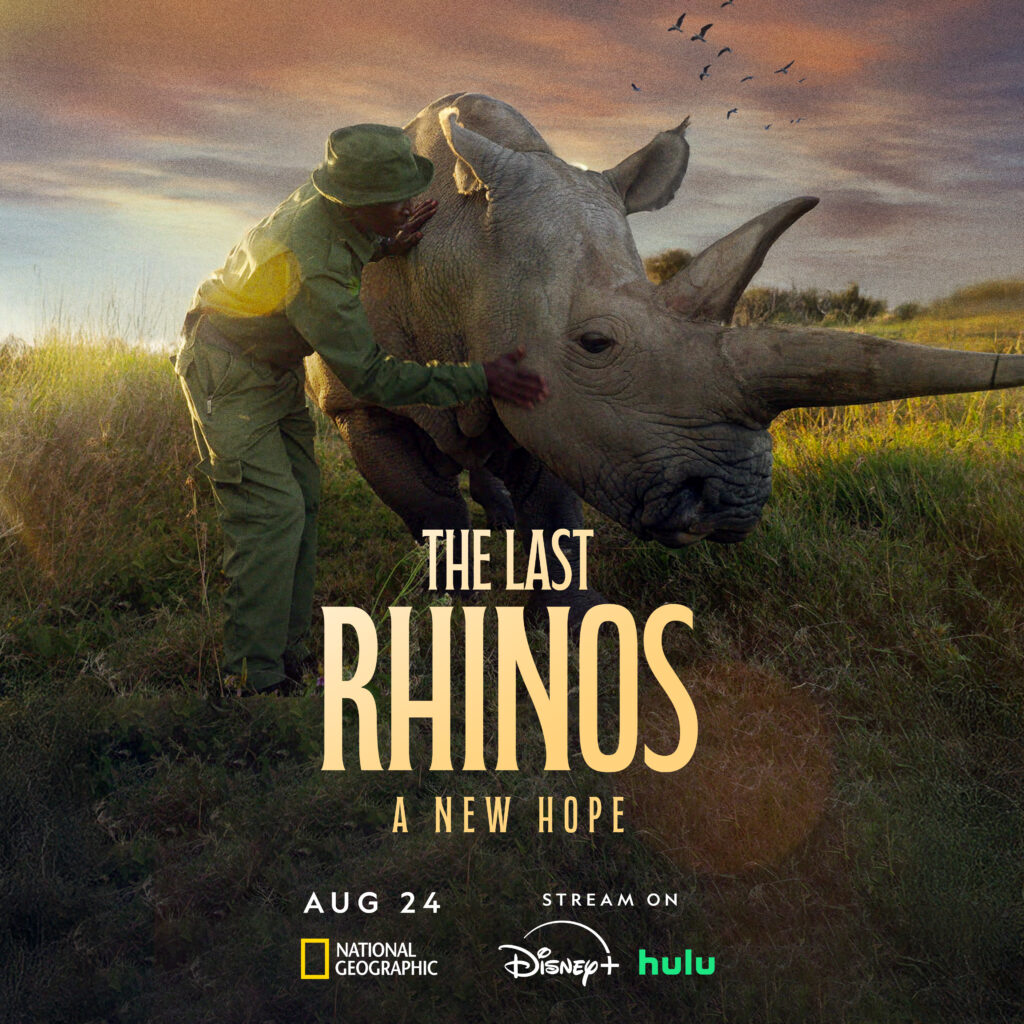
The Last Rhinos: A New Hope premieres on National Geographic on August 24, then streams on Disney+ and Hulu on August 25. In this hopeful but tense film, photographer Ami Vitale follows a global effort to save the Northern White Rhinoceros, one of the most endangered species… Continue reading
Protecting Water to Protect Elephants
Elephants depend on more than forests and grasslands. They rely on Africa’s river systems. Protecting rivers safeguards habitats, preserves genetic corridors, and ensures long-term survival. “To protect the ghost elephants, we need to protect the water because they sit in the Angolan highlands water tower,” Boyes emphasized.
Water also connects conservation with communities. Indigenous knowledge guides protection of sacred river sources. Traditional leadership and indigenous knowledge are really the primary mechanism for protection. “Conservation isn’t a handbrake on development and it shouldn’t be seen as that,” he stressed. “I prefer to use the word protection, [it] sits with the local people because in our work, we focus on the sources of the rivers.”
Conservation requires balancing economic activity and ecological integrity. Railways, dams, and farming compete with wildlife corridors. Strategic focus on high-value water users allows coexistence. Satellite imagery, eDNA monitoring, and field sensors quantify risks and inform policy. By aligning technology with local stewardship, protection becomes proactive, measurable, and scalable.
Counting Ghosts to Secure A Future
Ghost Elephants is really a blueprint for urgent conservation action. Steve Boyes and Werner Herzog show that survival depends on seeing the unseen, measuring the unmeasured, and protecting the invisible. From eDNA to satellites, from drones to indigenous knowledge, technology amplifies human ability to safeguard these iconic species. It seems quite fitting for the times.
Boyes captures the opportunity to use satellites on a regular basis. He sees it as equally, if not more important that aerial surveying or GPS. “Please, let’s count them from space,” he begs. “As soon as we get that done, then security shoots up, sustainable use shoots up, their protection shoots up.”
However, the challenge extends beyond elephants. It asks technologists, startups, and policymakers to apply precision, ethics, and innovation across biodiversity preservation. The question remains: will we act before ghost elephants vanish into memory, and data are all that remain?