


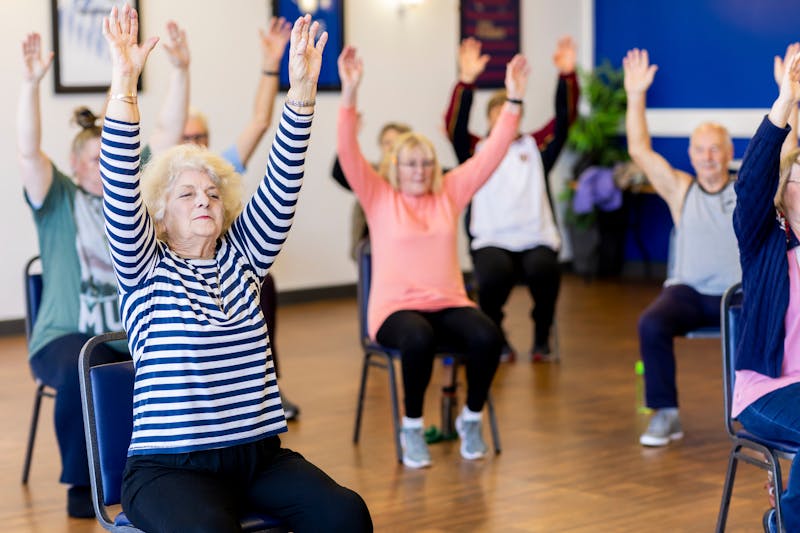
Regular movement can help seniors maintain their strength, which is essential for daily functioning. Easy tasks promote healthy aging by maintaining the condition of your muscles and joints. Movement also fosters independence, encouraging elderly adults to undertake important tasks with confidence. Realizing the importance of exercise can create a more conducive atmosphere for the elderly.
Maintaining Muscle Mass
As people age, they naturally lose muscle mass. Gentle movement, such as walking or gentle stretching, will help slow the progression. Physical activity works in the muscles to keep them active and strong. Older adults who exercise regularly tend to experience reduced frailty and an increased ability to move. It helps accelerate the recovery process from scratches and minor injuries. Various facilities in assisted living in San Diego offer exercises to help seniors maintain their muscle mass.
Supporting Joint Flexibility
Joint stiffness inhibits everyday movements, and in turn, it can be painful. Slow, careful motion acts like a lubricant for your joints, allowing them to stay flexible and function well. Gentle movement practices, such as restorative yoga or swimming, promote a range of motion without stress. Many seniors report fewer aches and improved coordination when engaging in such activities. This can lead to you moving more freely and having a lower risk of falls.
Enhancing Balance and Coordination
Falls become more common as we age, often accompanied by a decline in balance. Balance can be enhanced through basic practices, such as standing on one leg or walking heel-to-toe. Following these steps will help the brain work in conjunction with the muscles and promote coordination. Improved balance enables seniors to feel more stable during ambulation.
Boosting Mental Health
Movement offers benefits that extend beyond the body. Studies show that physical activity can boost mood and reduce feelings of anxiety. Exercise releases chemicals in the brain that help regulate emotions and promote a sense of well-being. Engaging in group activities, like walking clubs, adds a social element that supports mental health. Seniors who frequently move often report feeling happier and more connected to others.
Increasing Independence
Maintaining strength through movement ensures seniors can manage daily tasks independently. Activities such as carrying groceries or climbing stairs become easier with regular exercise. Independence supports self-esteem and enables older adults to remain in their homes for extended periods of time. Engaging in movement helps preserve the abilities necessary for activities such as dressing, bathing, and cooking. This autonomy is highly valued and contributes to overall life satisfaction.
Preventing Chronic Conditions
Regular exercise is associated with a reduced risk of developing chronic diseases, such as heart disease and diabetes. Exercising regularly can help control body weight and improve blood pressure. Exercise also ensures that vital organs receive the blood and oxygen they need to function correctly. Older people who lead an active lifestyle generally face fewer health problems and have better overall health.
Promoting Cognitive Function
Physical activity is as advantageous for mental health as it is for physical health. Exercise improves blood flow to the brain, which in turn helps enhance memory and clarity of thought. It is well established that regular physical activity slows cognitive decline in older adults. Dance or other exercise classes that require the brain to coordinate multiple body parts in a specific pattern also help improve brain functioning. The elderly who continue to walk have higher mental skills for a longer period.
Creating Opportunities for Social Interaction
Participating as a group involves activity and fellowship. Seniors often lack opportunities for social interaction, and they can use this motivation to attend community events. Such connections make it enjoyable and hassle-free to move. Positive social experiences will promote regular attendance at physical activities.
Encouraging Safe Movement Practices
Physical activity can pose significant risks for seniors. Guidance from health professionals beforehand for any new routines also ensures that exercises cater to individual requirements. Wearing proper footwear and illuminating the area can help reduce the risk of falls. Promoting the idea of taking a break whenever the body feels tired will take seniors much further in the long run.
Conclusion
Physical activity among seniors promotes strength, flexibility, and independence. Regular exercise does wonders for not only your body, but also your mind. Families and caregivers can help older adults stay physically active by providing opportunities and an environment that is safe for them to do so. This leads to a better quality of life, more independence, and sustainable health.