

A few weeks ago I was organizing a business breakfast with a partner and messaged the restaurant in Kyiv to check if they were still operating—not all businesses survived the winter of blackouts and shelling. The manager confirmed they were open. I asked what time they open in the morning. The answer was: 9:01.
For a moment I thought it was a typo. Why not 9:00?
Then it took me a second to remember. At 9 a.m. every day, Ukraine observes a national minute of silence to commemorate soldiers and civilians killed since the beginning of Russia’s full-scale invasion.
So the restaurant opens at 9:01. It’s only one minute. One small digit. But it captures how profoundly different daily life in Ukraine is.
How Daily Life Has Changed
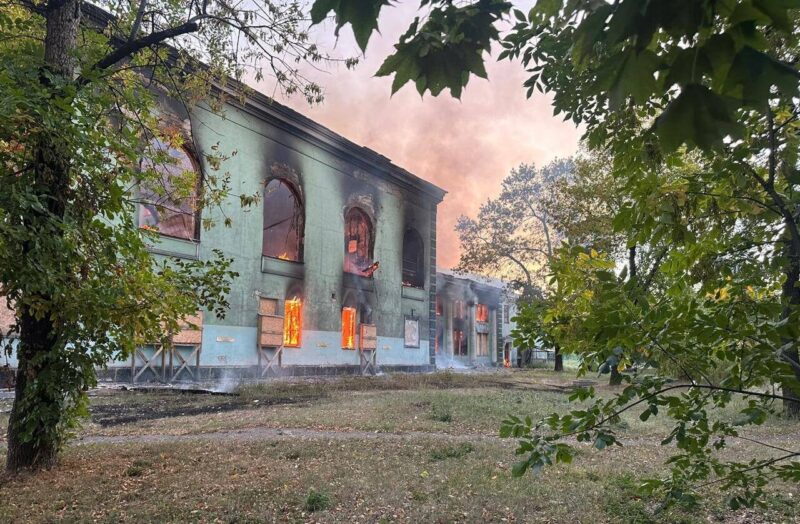
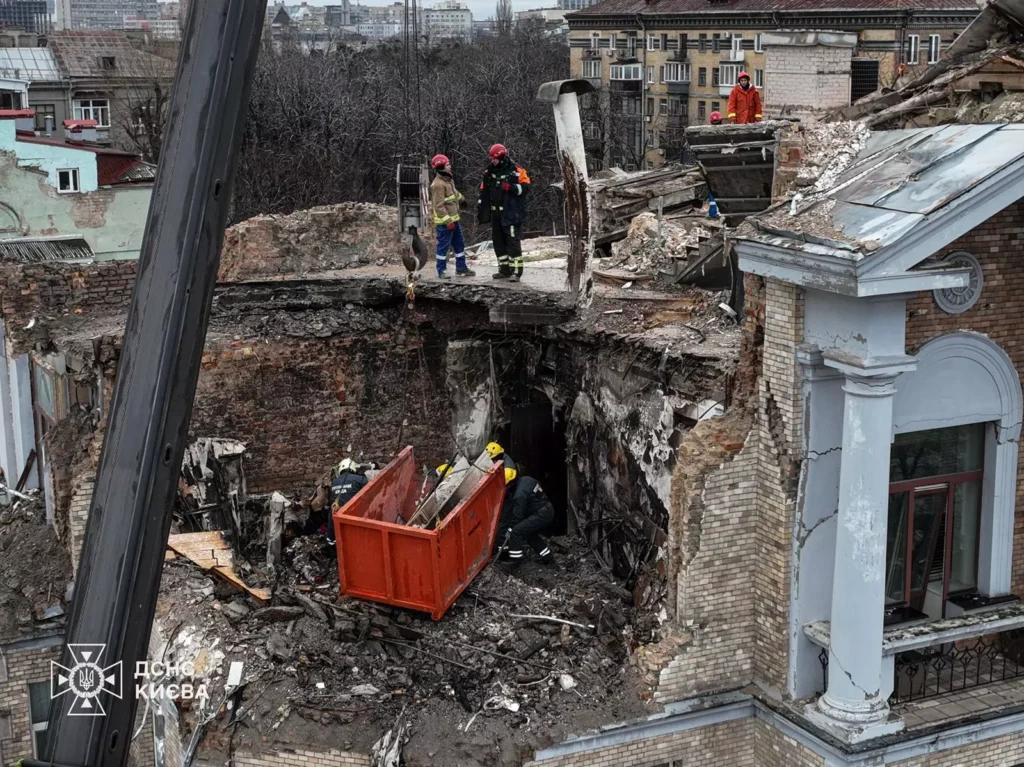
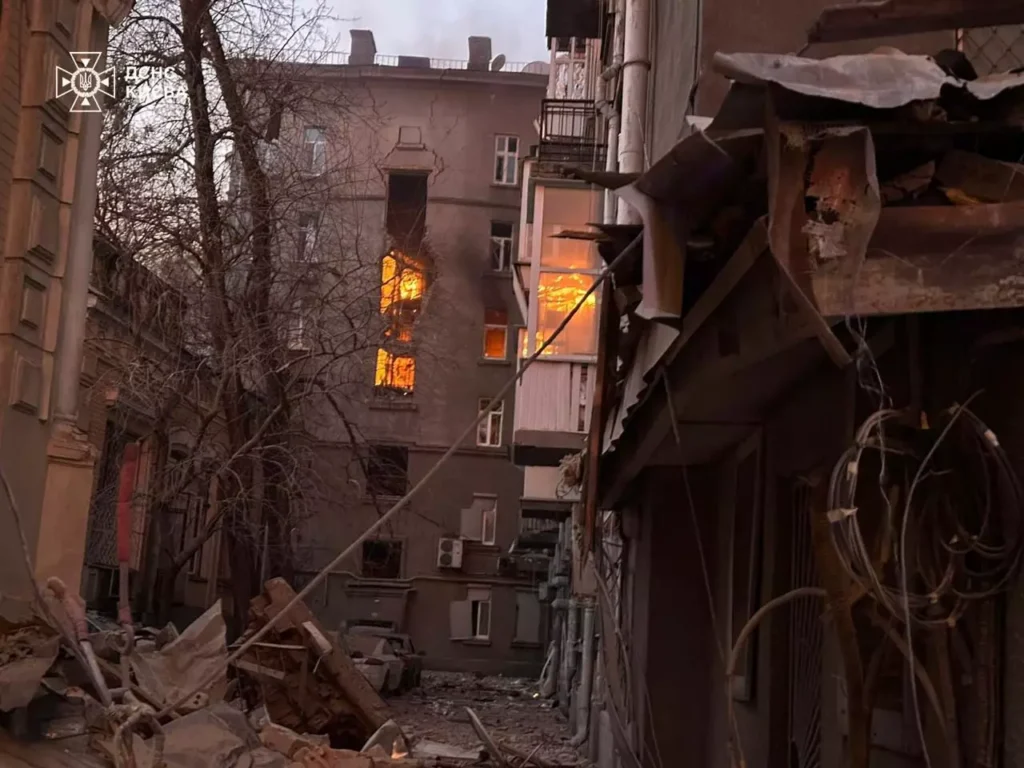
This past winter tested us again. Russia launched massive attacks on critical infrastructure and heating plants, leaving millions of Ukrainians without electricity and heat during freezing temperatures. According to UNDP, the number of damaged or destroyed assets in the energy sector increased by 93%.
When spring finally arrived, Ukrainian social media was full of the same phrase: “We survived this winter.” And people meant it quite literally.
Daily routines had to be reinvented.
For example, many apartments in Ukrainian cities (like mine) rely entirely on electric stoves. When electricity disappears, you simply cannot cook. Suddenly people had to rethink food: meals that could be eaten cold, canned food, or dishes that could be prepared with a kettle or small camping burners.
In complete darkness, when entire neighborhoods had power cuts, streets were completely black. Parents began buying light-reflective cuffs for their children’s jackets and light-reflective collars for dogs so that drivers could see them on the road.
Portable chargers and power banks became permanent companions. It is normal now to leave home with a phone charger, a flashlight; just in case electricity disappears again.
I remember the first weeks of the invasion, when Russian forces occupied parts of the Kyiv region. Many of our friends were there. Their devices slowly died as electricity disappeared. Mobile networks stopped working. Smartwatches became useless.
My godchildren were melting candles for light and burning wood just to stay warm. I kept asking myself: how is this possible in the 21st century—when humans fly to space, while we are suddenly pushed back to survival conditions that feel closer to cave times?
Four years later, the war still shapes daily life. Safety, stability, and sometimes even basic living conditions remain uncertain.
Kinsey Fabrizio’s CES Signals a New Era of Global, Real-World Innovation

Leadership transitions often redefine an organization. Some leaders arrive at inflection points where continuity and change coexist. As the Consumer Technology Association enters its next chapter, Kinsey Fabrizio steps forward as rightful successor. A builder shaped by nearly two decades inside the organization… Continue reading
Challenges for Tech Companies and How They Adapt
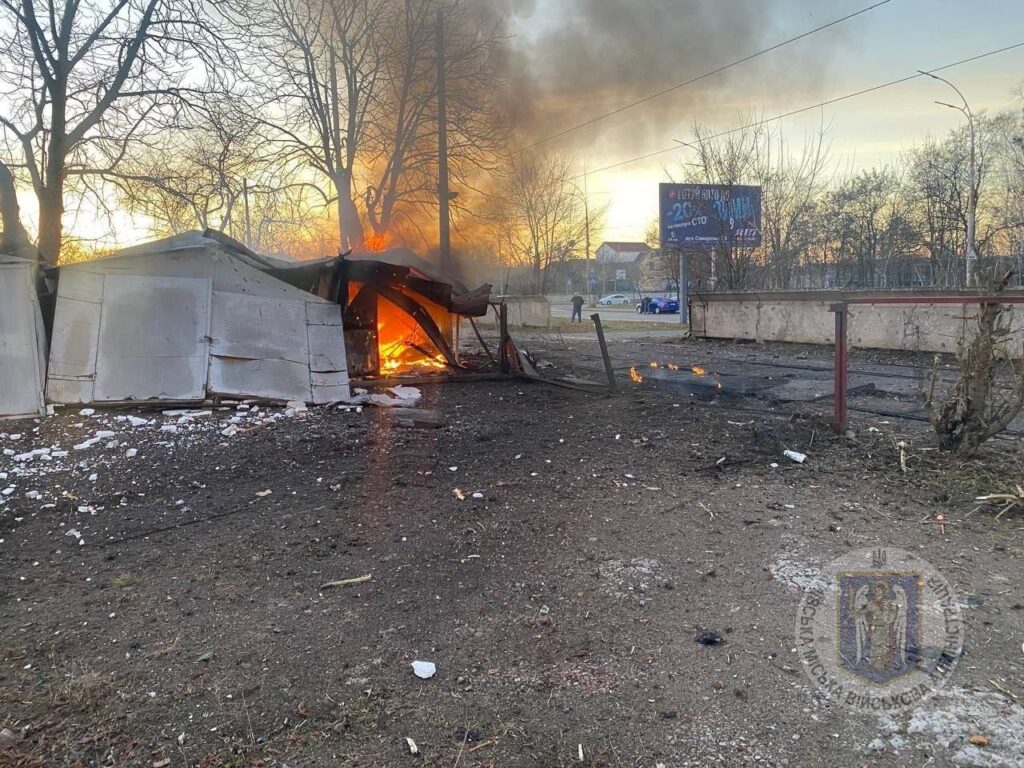
For businesses and tech companies, physical insecurity has become part of the working environment. Your day can be interrupted by multiple air raid alerts. Most of the time we have become so used to them that, unsettling as it may sound, many people continue working wherever they are.
Nights can be different. Heavy attacks often mean sleepless nights, which inevitably affect productivity the next day. When there’s a forecast of night shelling, I sometimes sleep on a mattress in the corridor which is the safest place in the apartment, as it has no windows. I once read in an article by a psychologist that sleep is the most important factor for proper recovery, so I really try to protect it. But when you are awakened by the sound of explosions or the buzz of drones at night, falling asleep again quickly is not easy.
There is also constant mental pressure. Almost every day brings tragic news—someone’s friend killed, a colleague wounded, another town shelled overnight. This emotional background inevitably shapes how Ukrainian professionals work.
At the same time, companies have learned to adapt with remarkable speed. Distributed teams, backup infrastructure, rechargeable batteries, and flexible work structures have become normal.
Despite the war, Ukraine’s tech sector has shown surprising resilience. In fact, it was during the war that I co-founded Calibrated, a communications agency focused on cybersecurity and defense technology. What might sound counterintuitive from the outside felt almost inevitable from within Ukraine. As the country became a frontline for cyberattacks, disinformation, and technological warfare, there was a growing need to help companies and institutions explain complex technologies, build trust with international partners, and communicate innovation developed under extraordinary circumstances. Starting a company in the middle of a war may seem unusual, but for many Ukrainian entrepreneurs it became part of the broader story of adapting, rebuilding, and continuing to
move forward.
War Has Reshaped Client Relationships and Global Perception
The war has also changed how international partners see Ukraine.
Increasingly, Ukraine is not only a country receiving support; it is also a country sharing experience. As the world enters a period of geopolitical instability, Ukraine’s expertise in areas like cybersecurity, cognitive warfare, crisis communications, and defense technologies has become highly relevant internationally.
Ukraine has been facing constant cyberattacks for years. According to recent reports, Ukraine is among the most targeted countries globally for cyber operations. As a result, Ukrainian engineers and analysts have accumulated practical experience that few countries possess.
Where Growth and Opportunity Are Emerging
Despite everything, there is also significant momentum in Ukraine’s tech ecosystem.
One of the most noticeable shifts is from general technology toward defense tech and cybersecurity, the very areas where Ukraine faces daily threats.
Ukraine today is not a laboratory environment for innovation. It is a real-world testing ground. Technologies are tested in intense battlefield conditions with electronic warfare systems and constant attacks from both sides. Recreating such conditions artificially is almost impossible.
As a result, innovation cycles are dramatically compressed. What may take years to develop in other countries can evolve here within weeks or months. Ukraine has already become one of the world leaders in drone development. Monthly FPV drone production capacity grew from 20,000 in 2024 to 200,000 in 2025.
Looking ahead, Ukraine will likely continue to prioritize technological innovation as a core pillar of national security, particularly in drones, AI systems, and cyber tools, with stronger integration between civilian and military innovation ecosystems.
What began as improvised necessity is becoming a long-term competitive advantage built under extraordinary pressure.
A Normal Workday
In many ways, my workday still looks familiar: meetings, online calls with clients, and participation in international conferences. But logistics are very different now. Civil flights are banned in Ukraine, so every international trip requires complex travel routes through neighboring countries. Now it takes me two days of travel instead of two hours flight.
Despite these challenges, Ukrainian professionals continue to collaborate globally, build companies, and develop technologies.
And sometimes the story of that resilience begins with a restaurant opening its doors at 9:01 a.m, or a doctor continuing surgery under generator light during a blackout, or a young air-defense operator somewhere on the outskirts of a city, tracking incoming drones through the night to protect the sky above millions of sleeping people.