

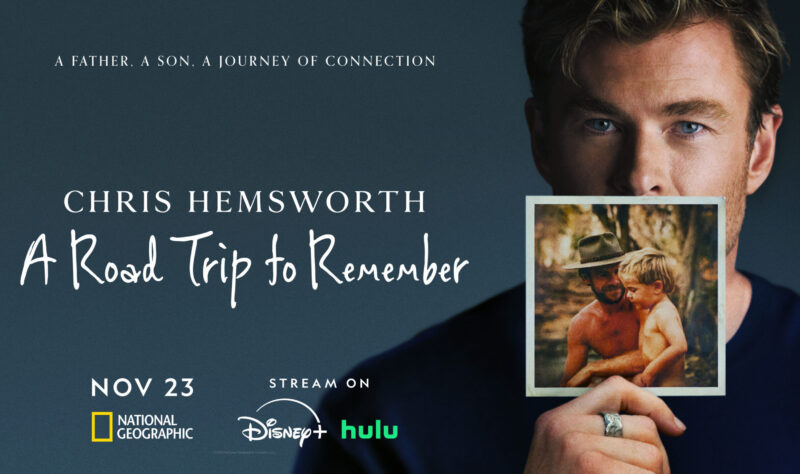
November marks Alzheimer’s Awareness Month, a time when the fragility of memory comes into sharper focus. In A Road Trip to Remember, part of National Geographic’s Limitless series for Disney+, Chris Hemsworth sets out with his father on a journey into neuroscience, nostalgia, and emotional discovery.
Behind the camera, the creative force shaping this balance is as crucial as the story on screen. This is where Ari Handel, the Oscar-winning producer, neuroscientist, and longtime creative partner of Darren Aronofsky, steps in alongside Executive Producer Arif Nurmohamed. Together, their team has crafted a film that makes their audience experience memory firsthand.
The Science of Memory Through Family
For the producers, as well as their subject, the topic of memory is far from theoretical. Their own reflections on family formed the emotional bedrock of the film. Handel described how parents carry a living archive of stories that we too often rush past. “I’m acutely aware that our connection to the past is tenuous,” Handel said. “That’s all more potent when a parent has dementia, but it’s true for all of us.”
That personal awareness shaped the tone of the film which blends scientific insight with emotional immediacy. Handel’s background in neuroscience gave him a unique fluency in both the biological and psychological dimensions of memory loss.
Rather than presenting the brain like a machine, A Road Trip to Remember frames it as a storyteller that catalogues experience, identity, and connection.
Philosophy and Neuroscience As Cinematic Storytelling
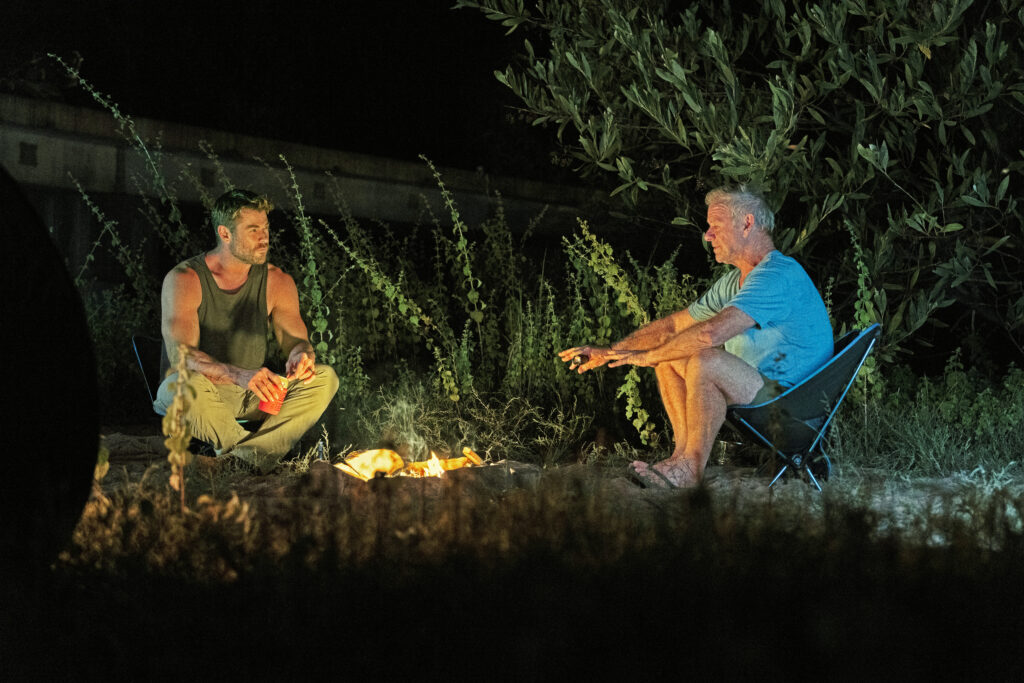
That human-centered ethos mirrors Executive Producer Arif Nurmohamed’s guiding principle: science should be felt before it’s understood. “The science is woven into the emotion,” Nurmohamed explained. “You start with the human story and build the science around it.”
Handel is known for fusing intellect and feeling in films, so he drew on that same sensibility. He recognized that going deep into a story is about leaning into its heart. So in this case, the Hemsworths’ story evoked enough power that the producers were able to let it speak for itself.
In the film, reminiscence therapy, a real method used to help reawaken memory in dementia patients, takes the form of a literal road trip. Through landscapes, conversations, and unexpected reunions, the film visualizes what it feels like to trigger dormant memories.
A Journey Through Place, Time, and Identity
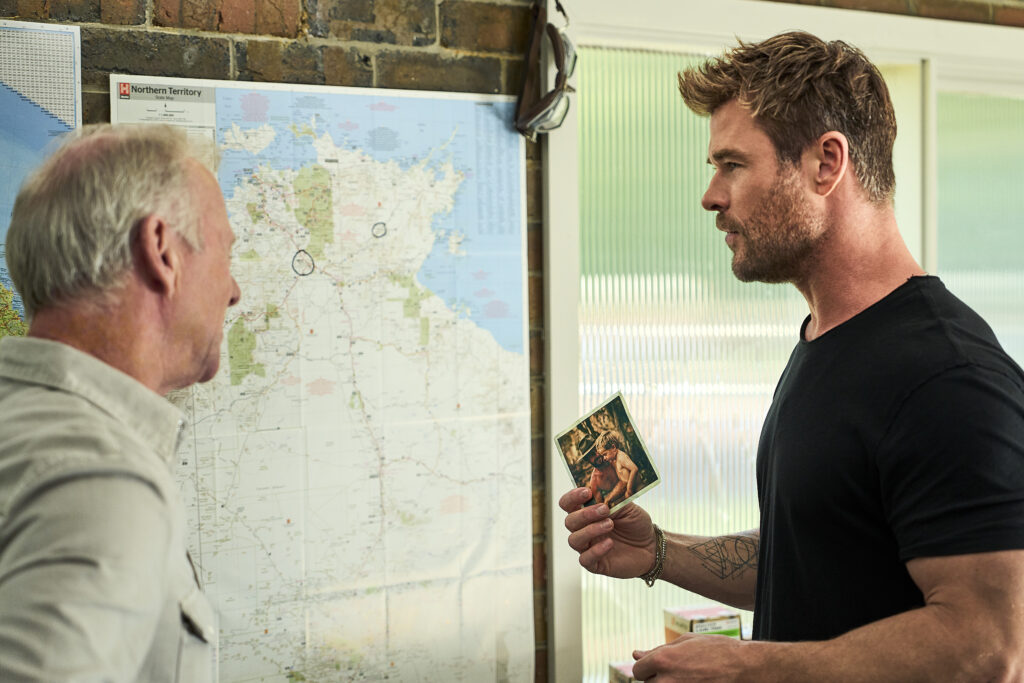
Since Chris Hemsworth and his father had long talked about revisiting the childhood home they hadn’t seen in 30 years, the producers had a strong roadmap (pun intended). “We knew we had a great story to tell,” Handel said. “A journey into memory and the past could be married to a literal journey into the Northern Territory.”
That symmetry became the backbone of the structure. As the Hemsworths travel deeper into the landscapes of Chris’s childhood, they also travel deeper into Craig’s memory and move through places that once defined him. When they arrived at the old family home, something extraordinary happened.
“Craig’s reactions were completely real,” Nurmohamed said. “You can’t plan that kind of authenticity.”
This authenticity became the key to making memory feel alive onscreen as experience rather than exposition.
Trust and Vulnerability in Storytelling
Behind the emotional transparency on screen lies years of trust. Nurmohamed has produced eleven films with Hemsworth, a partnership he described as foundational. “There’s inherent confidence there,” he said. “Chris knew we wouldn’t exploit anything.”
That sensitivity was essential when filming Craig Hemsworth’s cognitive lapses. Nothing was staged. Nothing was asked for twice. The filmmakers let moments breathe and unfold naturally.
“It was about letting the power of the family’s story speak for itself,” explained Handel.
The Hemsworths’ openness gave the film a rare immediacy. Craig allowed his struggles to be seen because, as Nurmohamed explained, “He understood that sharing his vulnerability could help others.”
Love+War Captures the Dualities of Life in Conflict Zones
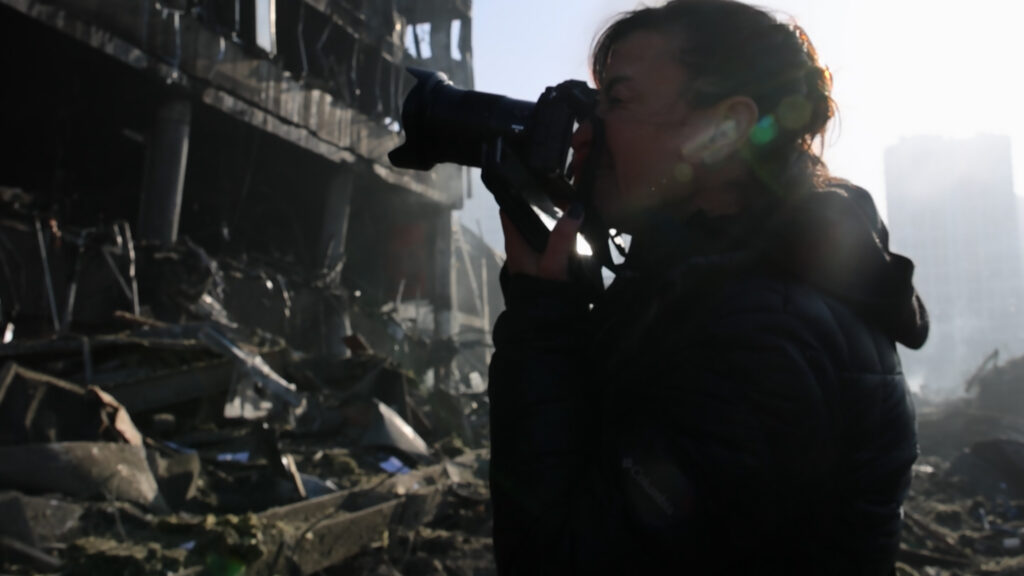
When Pulitzer Prize-winning photojournalist Lynsey Addario enters a war zone, her camera becomes both shield and confession. For more than two decades, she has documented humanity’s most fragile moments… Continue reading
The Neuroscience Beneath the Emotion
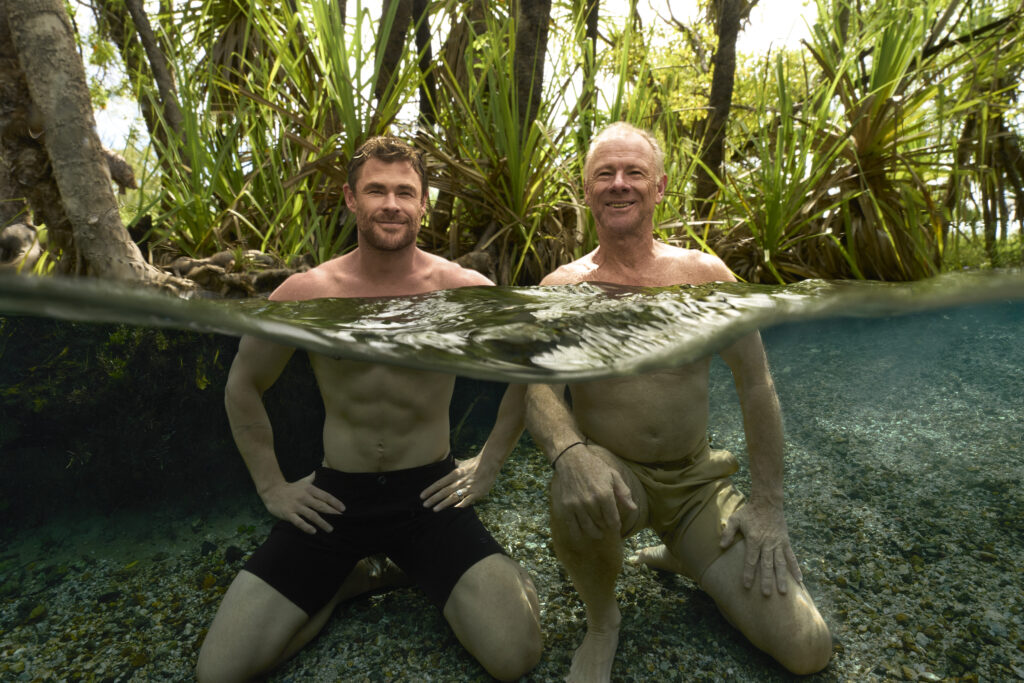
While the emotional story anchors the episode, the scientific layer guided by neuroscientist Dr. Suraj Sontani gives it structure and credibility.
Memory, as the film explores, is not just data. It is narrative that lives in context, place, and connection. When Chris and Craig revisit old environments, neural pathways associated with those memories reawaken. Smells, textures, and geography become cognitive triggers.
The team ensured that these concepts were both accurate and accessible. The episode never lectures. Instead, viewers feel the science through the father-son bond being rekindled on screen.
Visually, this grounded approach was reinforced by cinematographer Jim Jolliffe’s naturalistic style using wide Australian landscapes, soft light, and an honesty-first aesthetic. “We didn’t want to push it into being too arty,” Nurmohamed said. “The truth was already powerful.”
What We Remember, Keep, and Pass On
For Handel, one of the most resonant themes is the reciprocity: how memory becomes a gift both given and received.
“By taking his dad back into his past, Chris is giving his dad a gift and getting one in return,” Handel said. The trip allows Craig to reconnect with people and memories buried for decades. Simultaneously, Chris gains a deeper understanding of his father’s life that he couldn’t have grasped as a child, but can now appreciate with adult perspective.
“It made me want to talk to my own parent about her life and her stories,” he said. “It’s a gift to me, a gift to her, and a gift to our relationship.”
Handel admitted the experience changed him personally. That sentiment, he believes, extends far beyond the Hemsworth family.
A Reminder for Alzheimer’s Awareness Month
In the end, A Road Trip to Remember is a reminder that memory is lived, not merely stored. It’s a collaboration between biology and experience, science and story, past and present.
As November is dedicated to Alzheimer’s awareness, the film offers understanding along with a call to action. Capture the stories now. Ask the questions. Take the trip. Memory is a shared act, but a fleeting one at its core.