


It doesn’t seem like all that long ago that a patient would enter a doctor’s office, sit in a chair and listen as the physician, perched behind his mahogany desk, would draw upon the time-honored practice of historical analysis, examination, diagnostic interpretation and a little bit of investigation to determine a treatment approach, all based on his or her theoretical knowledge, honed through years of study, practice, professional development and experience.
For better or worse, the recent explosion in medical knowledge and increasing complexity of treatment options makes it difficult for individuals to maintain expert-level proficiency in their own sub-specialty, let alone in the rest of medicine. As a result, a profound disconnect now exists between this reality and the widely held perception of doctors as authoritative dispensers of knowledge and advice.
How can a clinician keep all this information in his or her head? The answer is… they can’t. Fortunately, the ever-expanding world of digital health technology has evolved exponentially over the past couple of decades to produce tech-driven solutions and support for patients and physicians alike. Combined with the digitization and automation of health care systems, today’s next generation medical profession offers tremendous potential for improvement in health outcomes.
What this means is that today’s health-care clinician has shifted away from being the authority to becoming more an interpreter of recommendations generated by algorithms that use the latest evidence integrated with genomics and other data. A fundamental transformation in skills has essentially emerged, shifting from knowledge acquisition to communication.
Med-tech Significantly Expands Clinicians’ Skill Sets
As physicians are no longer bound by the limits of their own expertise, they can rely on technology to fill in the gaps. For example:
- An ophthalmologist can now deploy a compact retinal camera to analyze images to determine whether a patient shows levels of diabetic retinopathy, printing results in moments, without the use of drops, dilation or visits to a specialist.
- Expert cancer practitioners can now deploy the innovative Galleri multi-cancer early detection system to analyze a traditional blood draw to identify up to 50 potential cancer “fingerprints” prior to the onset of traditional symptoms.
- Robotic-assisted surgeries today are commonplace, particularly in the fields of urology, gynecology, cardiothoracic surgery and oncology, allowing surgeons to perform complex procedures with enhanced control and smaller incisions, resulting in shorter hospital stays and faster recovery times.
A New Age for Health and Wellness in Fit Tech
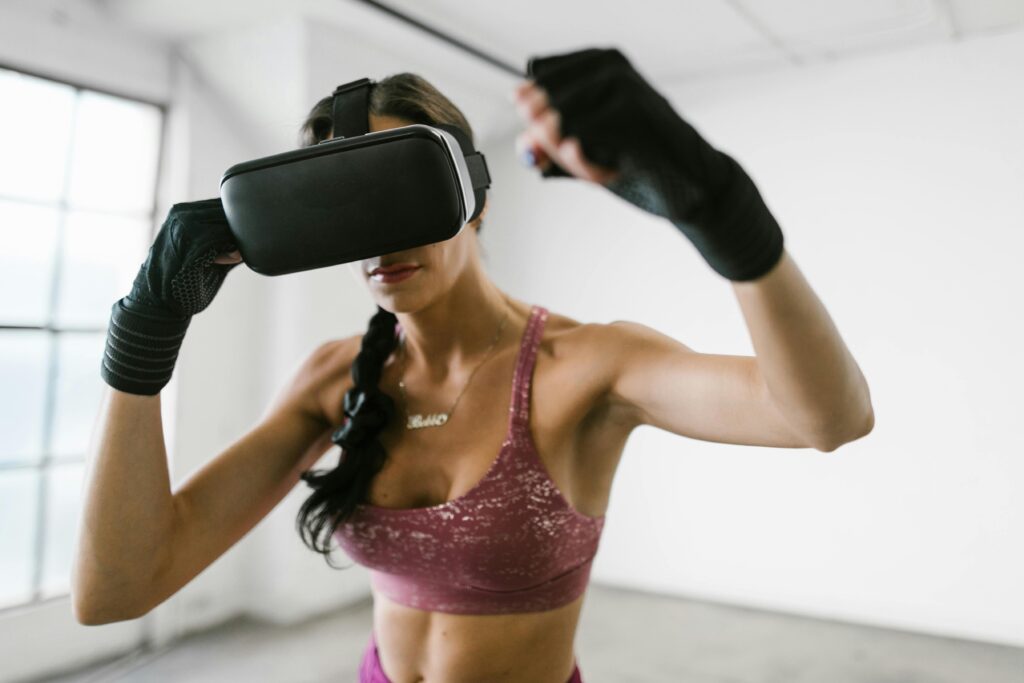
In recent years, the sports and fitness industries have undergone a significant transformation, driven largely by the integration of technology into workout routines, sport-specific training regiments and overall health-and-wellness practices. From highly-personalized workout plans and virtual fitness coaching… Continue reading
Patients Become Partners in Their Own Healthcare
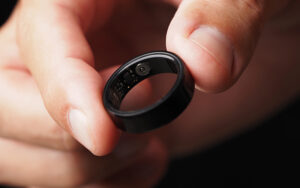
But it’s not just the medical professionals who are taking advantage of this technology; patients themselves are making use of both emerging applications and even wearables to play a critical role of their own health journey.
The examples are everywhere.
- The Apple Smartwatch AFib History feature is now qualified by the FDA as a tool researchers and clinicians can use to gauge atrial fibrillation burden in studies—proof that consumer wearables have crossed the threshold into real clinical utility.
- The iLet “bionic pancreas,” also cleared by the FDA, automatically adjusts insulin delivery thanks to a continuously updated algorithm, which dramatically reduces the daily mental calculus of carb ratios that patients used to shoulder. This means better numbers, less worry and increased freedom measured by uninterrupted nights.
- Prolaio offers a complete suite of products including wrist monitors, smartwatches, ECG patches, blood pressure cuffs, smart scales even cell phones with a pre-loaded app to help patients monitor and manage their heart conditions, enabling their clinicians to track symptoms, personalize treatment options and catch problems early.
Technology And The Patient Experience
The Final Diagnosis
At the end of the day, medical science is all about expanding, improving and upgrading care. As such, technology is designed to enhance clinicians’ existing skill sets, providing the very best of both worlds for patients and caregivers alike.