

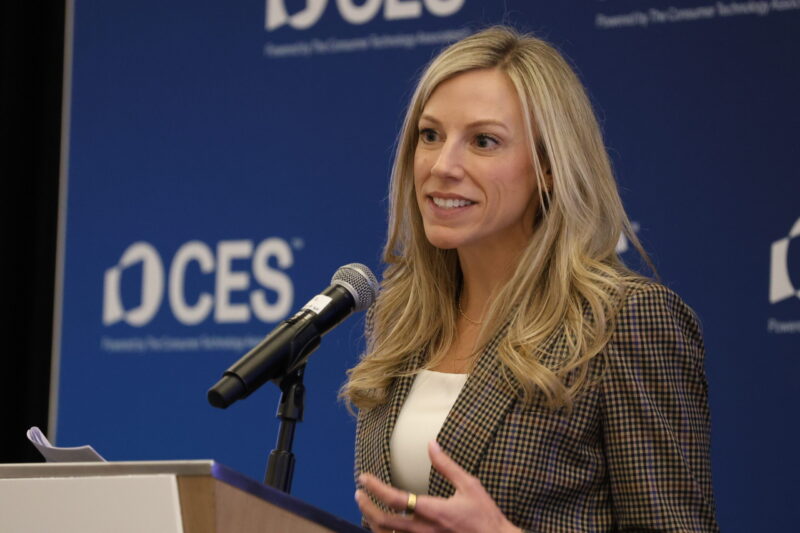
Leadership transitions often redefine an organization. Some leaders arrive at inflection points where continuity and change coexist. As the Consumer Technology Association enters its next chapter, Kinsey Fabrizio steps forward as rightful successor. A builder shaped by nearly two decades inside the organization, her ascent reflects CES’s evolution driven by real-world impact and global trust.
Shaped From the CTA Ecosystem
Fabrizio joined the CTA in 2008 and moved through roles spanning membership, operations, strategy, and emerging technology categories. Her succession follows a planned transition: Shapiro became executive chair in January, and Fabrizio will assume president and CEO on May 1, preserving continuity while enabling change.
“Gary Shapiro built an amazing foundation for our organization,” Fabrizio said. “Under my leadership, CES must reflect industry change not only for next year but [for the] next decade.”
She has already overseen CES operations, modernized membership structures, and expanded categories to reflect new industries. That experience, coupled with policy fluency and operational command, defines her profile as a builder focused on scaling with inclusion.
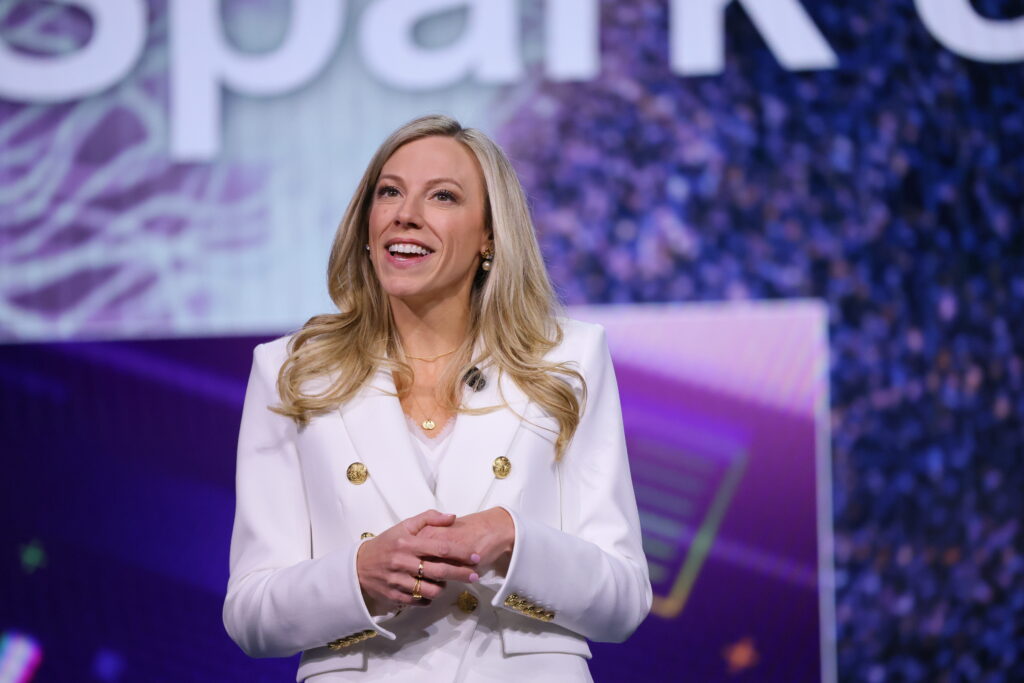
Redefining CES Around Real-World Impact
Under Fabrizio, CES has shifted its center of gravity. The show still celebrates breakthrough technology, but practical solutions now outweigh spectacle.
“CES evolved from the biggest TVs to boxing robots, dedicated halls for mobility and digital health,” she said. “Now it focuses on human-to-human connection, especially after COVID-19.”
Digital health illustrates this shift, as wearables and remote monitoring become mainstream. Fabrizio recalls seeing the first Fitbit at CES. Mobility followed a similar, yet slower path. What began as aftermarket gadgets expanded into safety systems, electrification, and autonomous platforms with “software-defined” vehicles.
“We have an obligation to facilitate and grow these markets,” said Fabrizio.
CES balances business, education, and human connection. These tenets reflect Fabrizio’s own philosophy that technology must solve real problems and scale responsibly.
CES Foundry and a New Model for Startup Engagement
CES Foundry represents a deliberate structural change. Startups need to transcend visibility in order to achieve traction. CES Foundry offers that by being more demo-focused and collaborative, standing out for a smaller physical footprint.
“Policy makers, startups, investors, and enterprises engage directly,” Fabrizio informed.
Unlike Eureka Park, Foundry emphasizes depth over density. AI, quantum, and applied software take center stage effectively making CES feel less conceptual. People flocked to the demos where robotics and AI performed practical tasks, humanoids did laundry and manufacturing demos. Real-world tech was on full display.
If done right, engagement with CES Foundry is meant to be year-round. Smaller rooms, working labs, and collaboration replace the massive booths and static displays that are associated with CES.
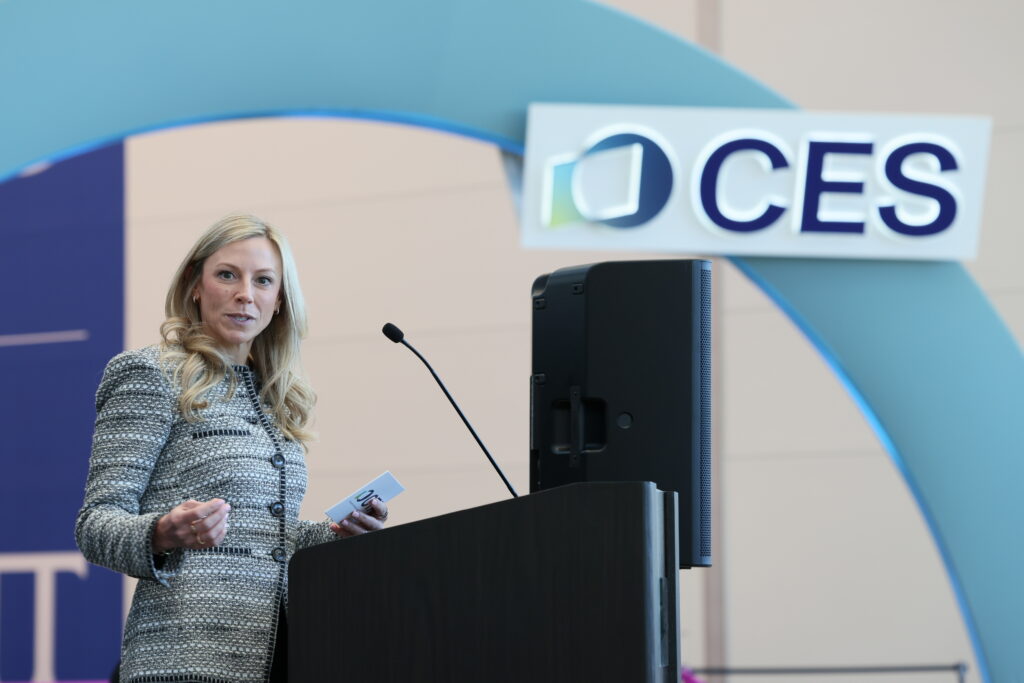
Scaling Into a Truly Global Platform
Global participation is foundational for the CTA’s success. CES now attracts more than 55,000 overseas attendees from 150 countries, meaning that footprint it steadily defining itself.
“We want CES to be a place where you find the right partners, meet the right people, and access opportunities across markets,” said Fabrizio.
Road to CES connects CTA teams with founders, media, and governments abroad. Operational support includes visa assistance, localized registration, app translation, and QR networking. The result is undiluted access as CES grows broader without losing cohesion.
What CES 2026 Tells Us About the Future of Tech
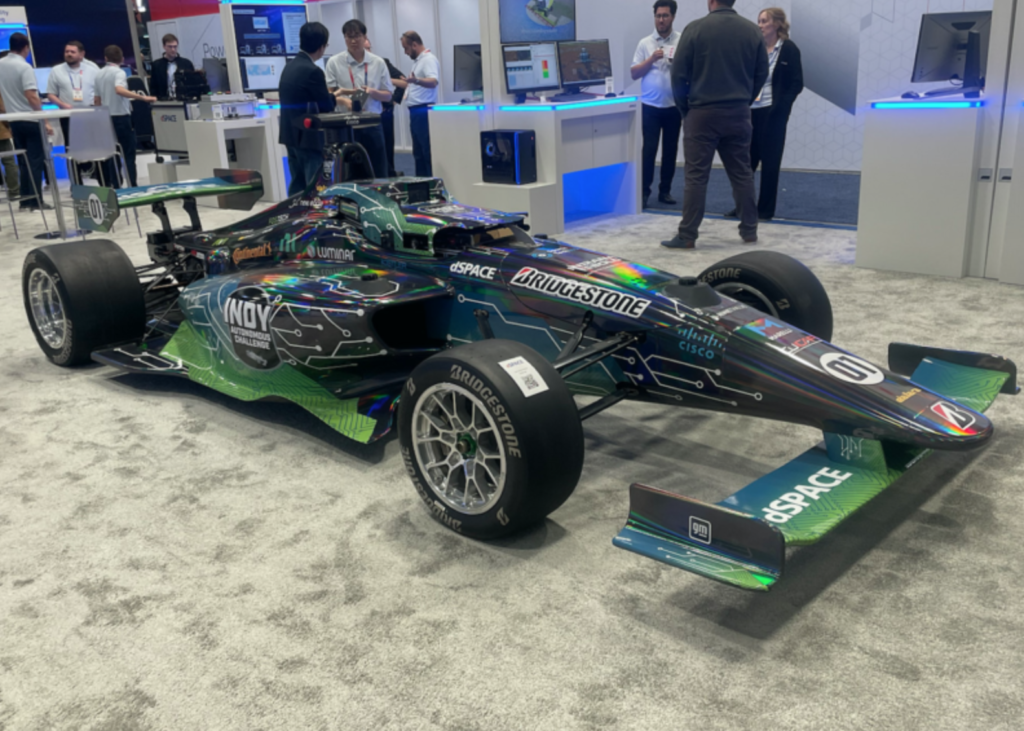
CES 2026 closed up shop with a clear indicator that the fourth Industrial Revolution is no longer theoretical. A lofty concept, indeed. But is it that farfetched? Artificial intelligence, robotics, and connected systems are now deeply embedded across consumer tech… Continue reading
Balancing Innovation With Trust and Responsibility
As technology moves faster, trust becomes harder to earn.
“Our standards team brings industry together for alignment on baseline specifications,” Fabrizio mentioned. “It’s not just about launching technology. It’s about making sure it works and is trusted.”
ANSI-accredited standards set guardrails for privacy, safety, and performance. This innate level of responsibility leads innovation, from digital health privacy to AI governance. Operational challenges, like connectivity and venue capacity, are actively managed.
“Trust applies to attendees, exhibitors, and investors alike, sustaining CES’s growth.” said Fabrizio.
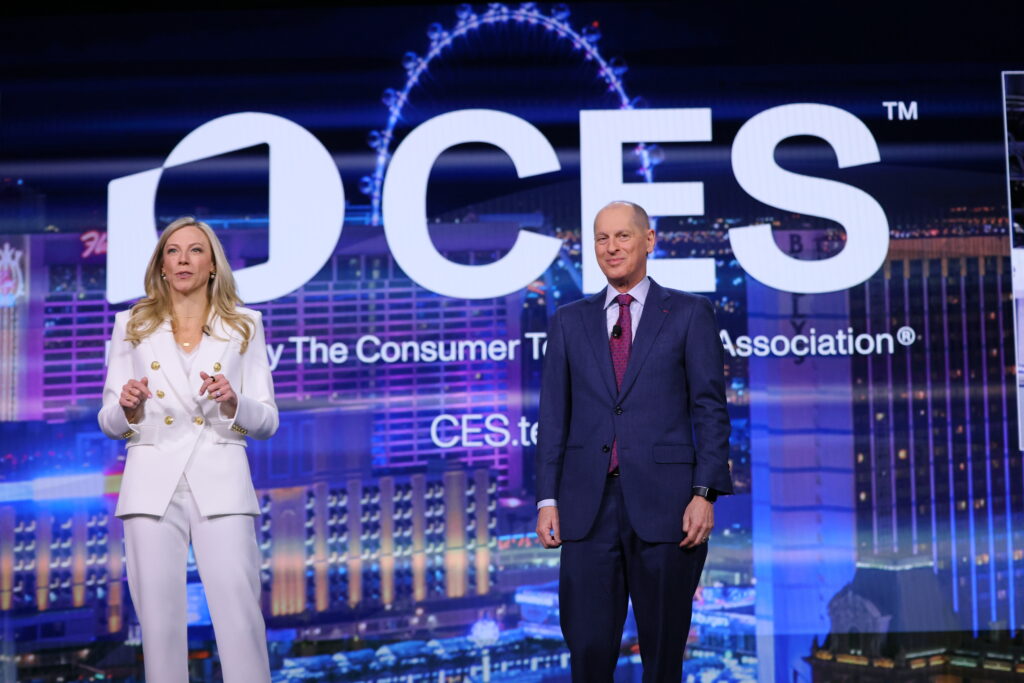
A Connector for Emerging Companies
CES increasingly functions as a deal room. CTA built tools connecting startups with venture capital and private equity. Investors can search companies digitally, while startups share pitch decks and funding stages.
Matchmaking programs formalize introductions, making CES a system for capital flow rather than chance encounters.
“CES is a platform for connecting investors and startups,” Fabrizio said.
Fabrizio’s guidance for startup founders is concise: clarity beats ambition. Maintain that clarity in brand communications, and make sure there is a compelling story to illustrate the social (and global) impact of a company.
“Have a clear, concise pitch,” she said. “Tell an easy-to-understand story. Demo, connect, and follow up. Treat CES as a beginning, not an end.”
Founders should listen, iterate, and focus on execution. For companies entering the U.S., early connections to manufacturing, supply chains, and timing all matter.
“Find the right partners early,” she said. “Be thoughtful about value and operations.”
Leadership, Legacy, and The Future of CES
Fabrizio steps into her leadership role at a moment of convergence. Technology is global. Expectations are higher. Trust is harder to earn.
With these factors in mind, CES intends to remain essential, useful, and inclusive. The goal is to continue balancing ambition with trust, growth with responsibility, and innovation with human connection.
“When people attend CES, I want them to feel inspired, valued, and connected,” Fabrizio said. “Learning something new and building relationships.”
Her approach reflects decades of experience earned inside the organization she now leads. CES emphasizes real-world impact, global inclusion, and responsible scale. The message is consistent as CES cements its position as the test ground for innovation year after year.