


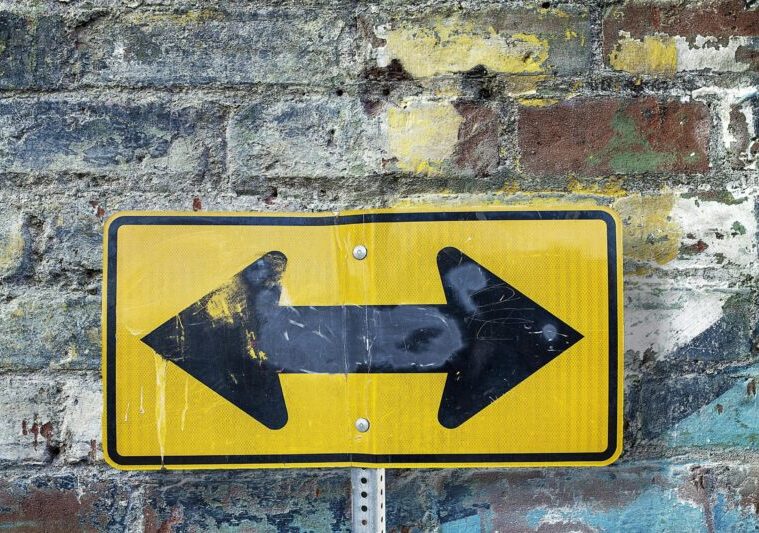
Traffic signs are essential precautionary measures on the roads. They help direct drivers, cyclists, and pedestrians alike. Even better, the signs are necessary for every road user to understand. In this post, we will discuss the types of road traffic signs you will likely come across and how to read them correctly.
Types of Road Traffic Signs
To better understand road traffic signs’ meaning, we can generally be classified under three main categories: regulatory, warning, and informative. Each category is used for a different purpose and is usually easy to identify.
Regulatory Signs
Regulatory signs are commands to obey. They are generally round and available in red, white, and black. Some examples you may already recognise are the stop sign, speed limit sign, and no entry sign. Since these are legally enforced, signs like these should not be ignored, or penalties could be levied.
Stop signs are octagonal and typically red with white lettering. They ask drivers to stop entirely before moving forward. The maximum permitted speed is present on rectangular speed limit signs. These limits are designed to maximise safety, and drivers are still expected to remain within those limits. No entry signs show roads where traffic is not permitted and are generally red circles with a horizontal white line.
Warning Signs
These warning signs inform road users that there may be some dangers ahead. They are generally red, with a white or yellow background and usually diamond-shaped. They caution about features such as sharp curves, steep hills, or pedestrian crossings.
A sign featuring an image of a twisting road means a series of curves ahead. For example, this silhouette animal crossing sign alerts drivers that they may have wildlife crossing their path. Noticing these signs keeps accidents at bay, and one must stay prepared for changes coming on the road ahead.
Informational Signs
Informational signs help us know the routes, directions, and facilities. These indicators are often rectangular in shape and, depending on what they communicate, either green, blue, or brown. Green signs are usually for arrows or distances between towns or cities. Blue signs typically contain information regarding rest areas, hospitals, or service stations. Cultural and recreational sites are generally pointed out with brown signs.
An example would be a green highway number sign, which helps keep drivers on the right track. In Australia, the route signs are usually green and mention the highway number or directions. The bed symbol on a blue sign indicates nearby lodgings. These signs assist travellers in organising their travel and locating services needed during the trip.
Reading Road Traffic Signs
To interpret road traffic signs correctly, you must know their shape, colour, and symbols. Here is some guidance on how to read and interpret those signs.
Recognize Shapes and Colors
How are shapes and colours used to communicate? For example, regulatory signs are generally round, warning signs are usually diamond-shaped, and informational signs are mostly rectangular. Learning these basic shapes, along with their accompanying colours, can help quickly determine the sign type.
Learn Common Symbols
Those reading the road signs may not be 100 per cent fluent in the language. Some, if not all, road signs are symbolic. Get used to symbols such as arrows, which you will likely see with movement directions, or silhouettes of pedestrians, animals, or vehicles.
Stay Updated
Road signs are updated to reflect changes in traffic regulations. Staying compliant and keeping yourself updated with any new signs and regulations is important. It might also be a good idea to periodically read through driving handbooks or take refresher courses.
Importance of Understanding Traffic Signs
Understanding road traffic signs is essential for numerous reasons. It protects everyone on the road by eliminating collisions and enabling vehicle movement. It also helps to prevent legal troubles since ignoring these signs can result in fines or other penalties.
Knowing these signs can also improve the entire driving experience. It decreases stress and confusion, freeing the driver to concentrate on the road. Knowing these signs is also important for pedestrians and cyclists to use roads properly without risking a mishap.
Traffic signs are essential tools for maintaining safety and efficiency on the roads. By identifying these signs, all road users can contribute to creating a safer setting. The shape, colour, and symmetry of the various signessentialortant here. Being alert and aware can go a long way toward safety and better travel experiences!