


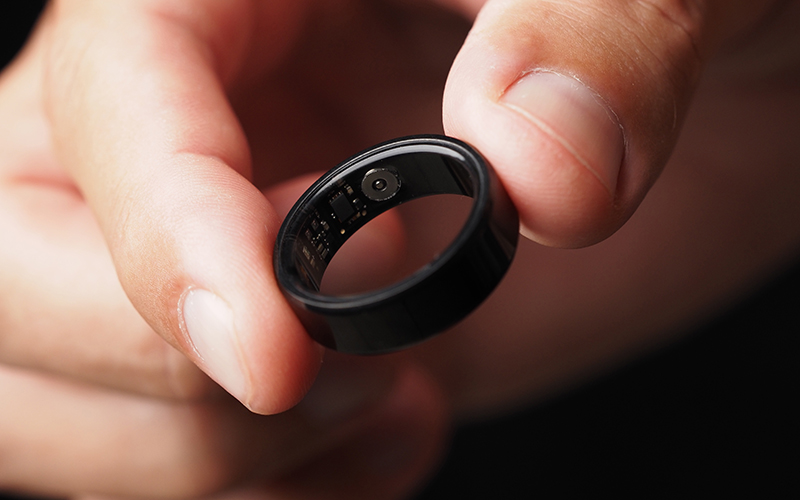
When the stadium lights go dark, professional athletes plug into a different arena—one where heart rate variability (HRV) charts, inflammation scores, and sleep-stage graphs matter as much as the final score. Sleep tracking devices like WHOOP bands and Oura Rings are now as standard as ankle tape, fueling a new playbook built on recovery, not just grit.
What began as a quiet experiment has since become a noticeable shift where NFL and NBA players treat sleep like a performance stat, and coaches analyze biometrics the way they once studied film. It’s no longer just a pro-game advantage, either. These tools are spilling into everyday life, helping weekend runners, shift workers, and anyone curious about what happens after they close their eyes chase their own version of peak performance.
Recovery Becomes the Frontier
For years, the biggest breakthroughs in sports came from advances in speed, strength, and strategy. But in the last decade, the real frontier has arguably shifted to recovery.
“Athletic organizations were the early adopters. I think as time has passed the technology has become more ubiquitous. More and more athletes are coming to the table already wearing trackers and understanding their value,” said Dr. W. Christopher Winter, a neurologist and sleep specialist who’s been involved with sleep medicine and sleep research since 1993.
According to Dr. Winter, the adoption of sleep tracking and recovery technology by professional sports teams wasn’t immediate, and that player unions once staunchly opposed the use of wearables due to concerns over how sleep and recovery data may be used against individual players.
From Niche to Locker Room Staple
Wearable technology like WHOOP bands and Oura Rings were once very niche products but are now staples across professional locker rooms. They measure everything from HRV and micro-movements during sleep, to inflammation markers, and cumulative training load.
WHOOP, a wrist-worn band popularized by endurance athletes before gaining traction in football and basketball, emphasizes recovery scores driven largely by HRV, resting heart rate, and sleep consistency. Oura, a ring worn on the finger, focuses heavily on sleep architecture, how much time users spend in REM, deep, and light sleep—along with overnight body temperature and readiness metrics.
No matter how advanced a strength program or how sharp a game plan, an exhausted athlete is a compromised athlete. Sleep, long treated as a soft variable or an afterthought, has become quantifiable—and therefore actionable.
New Therapies Rewrite Sleep Apnea Care to Ease the Struggle

Nearly 30 million Americans struggle with obstructive sleep apnea, yet many avoid the standard treatment, CPAP. Some get frustrated with the mask, while others can’t sleep through the constant airflow and simply stop using the machine over time… Continue reading
Turning Sleep Data into Decisions
“We’ve invested a certain amount in an individual, and as research has come out saying that better sleep equals better performance, recovery from injury and avoidance of illness, it would not make sense for an elite organization to not try to understand the sleep of both their players and their staff,” Dr. Winter said.
For players, the devices offer immediate feedback. A low HRV reading can flag accumulated fatigue or illness. A shortened REM cycle may explain sluggish reaction times. A rising skin temperature can hint at inflammation before soreness turns into injury. Instead of guessing how their bodies feel, athletes now wake up to a data-backed answer.
Many franchises aggregate player data (often anonymized or shared selectively) to adjust practice intensity, travel schedules, and even nutrition plans. A poor team-wide sleep score after a late-night flight might prompt a lighter walkthrough. An athlete returning from injury can be eased back based on recovery trends rather than gut instinct.
Critically, this data-driven approach hasn’t replaced coaches or trainers; it’s simply changed the conversation. Instead of players insisting they’re “fine,” or coaches pushing through fatigue in the name of toughness, sleep metrics create a neutral third party.
The Risks of Over-Optimization
Despite the benefits of these products, experts caution against treating wearable data as gospel. Consumer-grade devices are improving, but they aren’t perfect. Sleep stages are estimated, not directly measured, and metrics like “readiness” or “strain” are ultimately interpretations of underlying signals. Used obsessively, the data can even backfire, creating anxiety around sleep rather than improving it.
“When I work with athletes there’s a lot of discussion about why [they] want to track [their] sleep and what [they] hope to get out of it. And, you know, does this thing kind of suddenly feel like it’s putting you under some sort of pressure to have perfect sleep and things of that nature,” said Dr. Winter. “It’s been that the name of that has been coined orthosomnia. This idea that you’ve got to sleep perfectly at night.”
“And so, I think to me that’s really the only risk is that an athlete will take this stuff and be so concerned about getting a 90% score, or the smiley face on the app the next day, that it is kind of upsetting to him,” he added.
The Future of Sleep Technology
Dr. Winter believes that the biggest limiting factor inhibiting the adoption of wearables is their inability to gather accurate EEG data. However, as technology quickly evolves in other areas, he doesn’t see any reason why sleep trackers would stop at being worn on your wrist or finger.
“I think there’ll be all kinds of technologies, probably built into your bed, that just monitor your sleep, and you can access that data if you want to,” Dr. Winter said. “If you get tired of looking at it, no problem. If six months from now, you’re like, God, I’m not sleeping that well, you can pull it up and see the last six months of your data and it’ll make a recommendation. The bed will diagnose you, most likely in ten years. I can’t imagine it not.”
As wearables continue to refine how we measure rest, they’re also rewriting how we value it. For today’s athletes, and the millions watching from the stands or the couch, the message is unmistakable: the real gains often happen when the lights flicker out.