


Your wearables are measuring something meaningful. Heart rate variability correlates with nervous system state. Sleep quality and patterns affect cognitive performance. Stress patterns impact decision-making quality. The sensors work. The data is accurate.
Accuracy isn’t the same as usefulness. A thermometer tells you your temperature accurately. That doesn’t mean it tells you why you have a fever or what to do about it.
For individuals, this gap between measurement and understanding has become a hidden cost to your wellbeing and performance. You’re generating constant biometric data, from your wearables, your schedules, your work patterns, but gaining no insight about what actually drives your best performance, your burnout, your retention.
Two MDs treating patients realized something crucial. Health apps measure everything yet fail at one critical thing: they don’t translate data into actionable insights that actually improve how you work.
This isn’t a technology problem. It’s a structural one. Health technology has been built for healthcare systems, not for the people using it.
They asked a different question. What if your data could reveal what actually drives your performance, your resilience, and your decision-making quality? What if technology worked for you instead of working on you?
What Technology Should Do
Your data should reveal patterns about yourself that nobody else could see. Not just that your glucose spiked. Why your body actually responded the way it did in the context of your real life requires understanding more than measurements.
Real understanding means seeing the full picture of how your biology, your circumstances, and your choices interact. It means recognizing that a single data point, elevated cortisol, poor sleep, unstable glucose, is only meaningful when you understand what triggered it. Generic health advice fails because it ignores your specific context.
Understanding means the system gets to know you personally, not just what’s typical for most people, and not one-size-fits-all advice. It figures out your unique patterns, so you can see what really affects your own body and what changes will actually make a difference for you.
This is why moccet is now offering personalized training and nutrition programs that turn your health data into simple, practical plans just for you. By using information from your wearables and daily habits, these programs help you know exactly what kind of exercise and foods will work best for your body. People trying it out say they feel more motivated and are already seeing real improvements in how they perform, feel, and bounce back from stress.
A New Age for Health and Wellness in Fit Tech
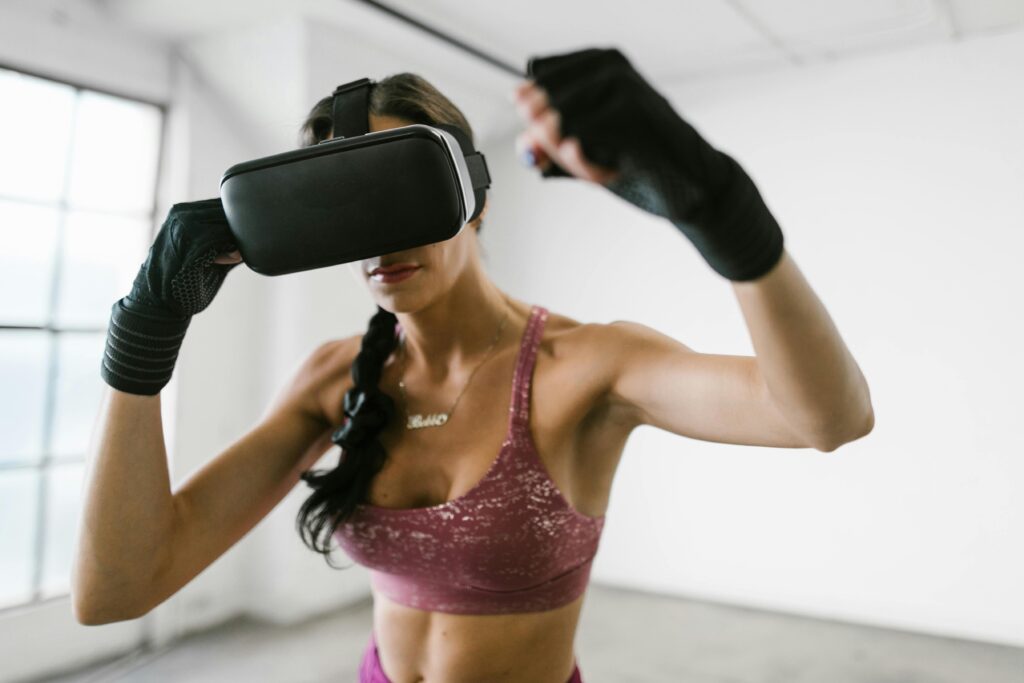
In recent years, the sports and fitness industries have undergone a significant transformation, driven largely by the integration of technology into workout routines, sport-specific training regiments and overall health-and-wellness practices. From highly-personalized workout plans and virtual fitness coaching… Continue reading
Real Examples Of What This Actually Means
A founder running back-to-back meetings notices his glucose crashes mid-afternoon. Standard health apps say eat better breakfast. He tries. Nothing changes. The real pattern emerges when you look closer. His stress level during morning calls triggers cortisol that dis-regulates his glucose hours later. The solution isn’t breakfast. It’s moving one call to afternoon and protecting his mornings for focused work. His glucose stabilizes. His productivity increases. His afternoon crashes disappear.
An executive who travels constantly can’t sleep on planes. Her sleep tracking app tells her she’s sleep deprived and should rest more. The real pattern is different. She sleeps fine when she arrives knowing exactly what the next three days hold. Her sleep disruption isn’t biological, it’s caused by uncertainty. When her calendar is clear and her inbox is managed, she sleeps on planes like she’s at home. Once the system learns this pattern, it optimizes her schedule and communication to reduce uncertainty rather than telling her to rest more. Her sleep improves not because she changed her bedroom, but because she changed her mental state.
A person with Type 2 diabetes notices something unexpected. Her glucose stays stable when she’s working on projects she finds meaningful. It spikes and crashes during weeks of routine work. Standard health advice says this shouldn’t happen, your body doesn’t care what you’re thinking about. Except it does. When she’s engaged in meaningful work, two things happen. Her stress hormone cortisol drops and her insulin sensitivity improves. Both lead to stable glucose. The system learns this pattern and makes a simple suggestion. Structure your week around meaningful work first, then batch the routine tasks. Her glucose control improves dramatically. Not because she changed her diet, it was because she changed her schedule.
The result is measurable. When recommendations finally connect to your life instead of population studies, you actually follow through.
The Science Behind Personal Health Outcomes
Harvard’s 85-year longitudinal study tracked individuals across their entire lives—not surveys, rather real lives monitored across decades. They measured what actually correlates with thriving. The finding the technology industry hasn’t integrated. Your sense of purpose and your autonomy directly alter your biology. People with clarity about why their work matters and control over how they do it show demonstrably better stress markers, sleep quality, and immune resilience.
Japanese culture understood this for centuries. The concept of ikigai, the intersection of what you love, what you’re excellent at, and what the world needs, isn’t spiritual guidance. It’s a method. People thrive when their work aligns with their strengths and contributes meaningfully to something larger. The longest-living human populations structure their entire lives around this daily alignment.
The co-founders of The Wellness saw a way to bring both ideas together. They used what Harvard found about living well and blended it with everyday habits from Japanese culture. By adding machine learning, they created systems that can truly understand what helps you do your best.
The result is fundamentally different from every health system built to date. Most systems optimize for engagement. This one optimises for what actually matters to you. Your context. Your goals. Your life.
What Changes
The data you already generate starts revealing things you couldn’t see before. Not because you track more. Because the system finally understands the full context of what’s happening.
A remote worker realizes his productivity peaks not after morning exercise, specifically after collaborative movement with a colleague over video. His nervous system thrives on social accountability. Once the system recognizes this pattern, it prioritizes collaborative movement. His consistency becomes effortless.
An executive notices her decision-making improves measurably on days she takes a specific walk in the morning. Not exercise generally, that walk, that route, that time. She tracks this for weeks thinking she’s imagining it. The data confirms it. It’s not the movement. It’s the space. The system learns it and protects that time like it protects meetings. Her decision quality compounds.
This is understanding. Not generic metrics. The specific combination of your biology, your life, and your actual circumstances.
The Infrastructure That Makes This Possible
The technology to achieve this exists today. Individuals who combine these three elements see the results. Continuous biometric monitoring through wearables, comprehensive biomarker analysis through clinical diagnostics, and AI systems that learn your specific patterns over time.
Wearables alone measure, however they do not explain. Health apps give generic advice. When you integrate wearable data with comprehensive biomarker testing, and layer in AI that learns your specific patterns, something shifts. The recommendations move from “sleep better” to “here’s what will actually improve your sleep and your performance simultaneously.”
The Outcome
The question isn’t whether your wearable can measure your heart rate accurately. It’s whether the technology can finally tell you what those measurements mean for how you should work, where you should focus, and what changes will actually improve both your health outcomes and your performance. It helps you understand if your current workout plan is really right for you, if your diet is causing your afternoon crash, or if making changes to your sleep routine could help you focus better.
This is what user-centered technology really means. It doesn’t just track you, it understands you.