

Wang Tan, Vice President of XPENG subsidiary, ARIDGE, talks about the future of mobility in steps rather than abstract hypotheticals. Specifically, three of them. The company’s structured, measured roadmap toward the flying car era reflects bold ambition and practical engineering discipline.
At a time when headlines about eVTOLs (electric vertical take-off and landing aircraft) are growing more frequent and more sensational, ARIDGE’s approach stands out for its focus on grounded progress.
Step One: The “Land Aircraft Carrier”
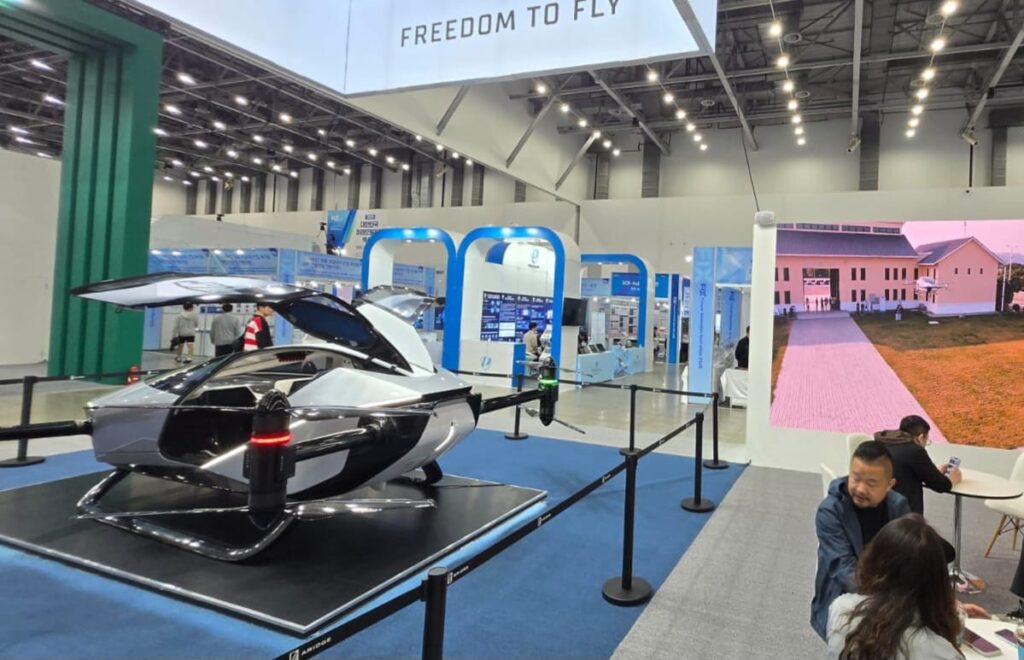
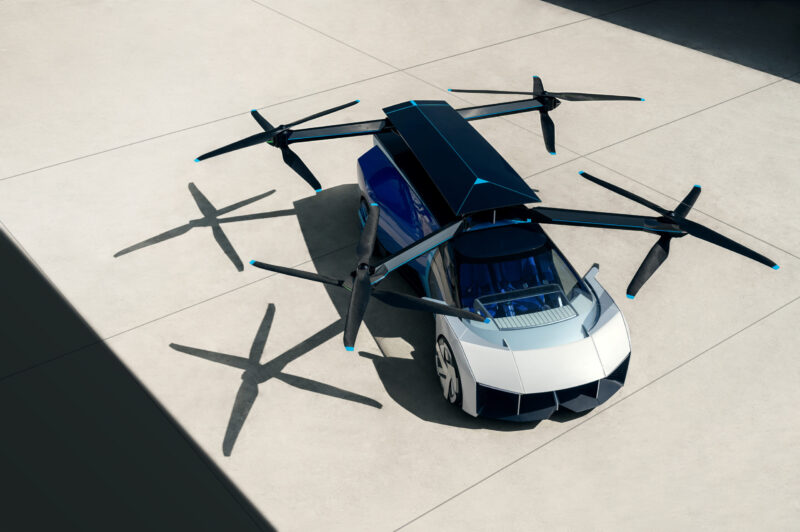
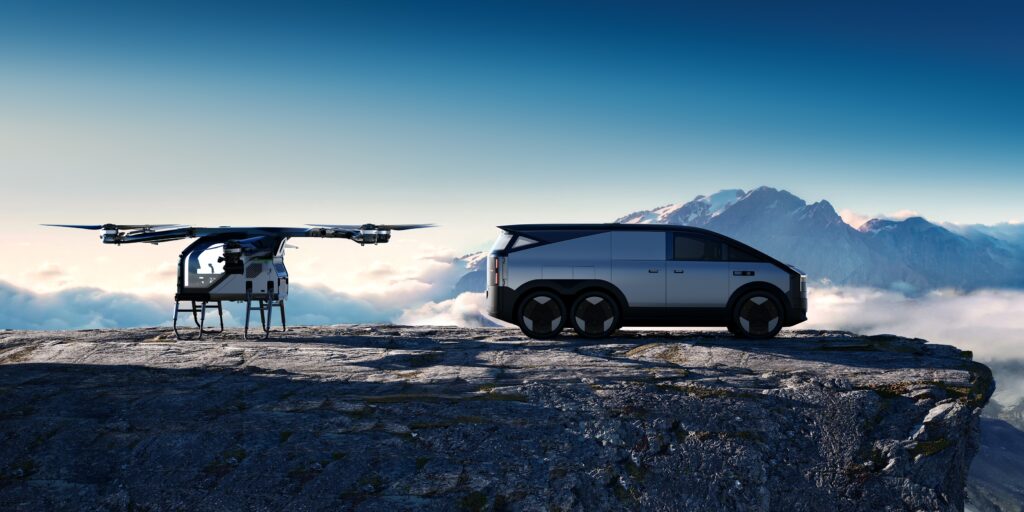
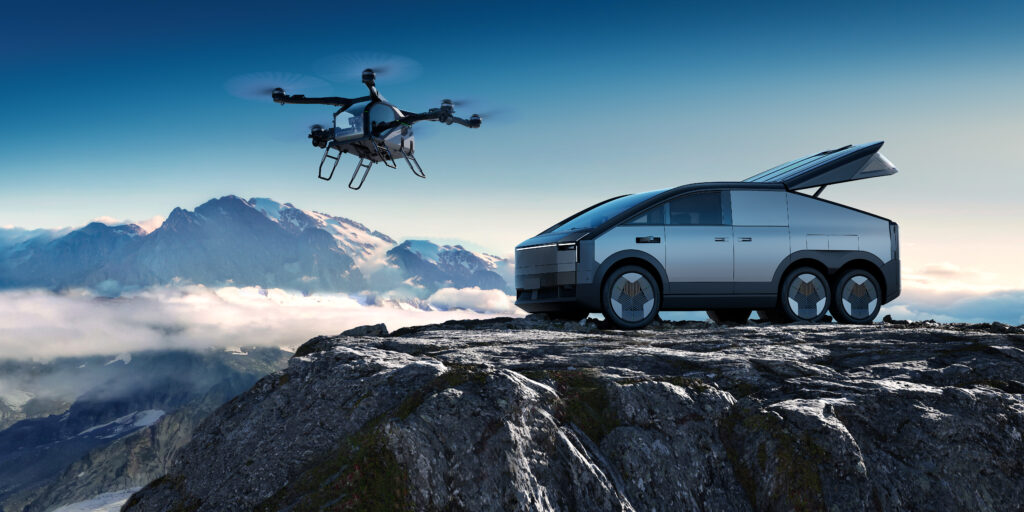
At the heart of XPENG’s first phase is what Tan calls the “land aircraft carrier”: a hybrid vehicle system that seamlessly combines road mobility and air capability. The concept pairs a six-wheeled “mothership” car with a detachable flight module that can take off vertically and fly autonomously from point A to point B.
“It’s like giving a car wings,” Tan said with a smile. “The flying module can be stored in the trunk of the car. You drive to a flying camp, release the aircraft, and take off automatically.”
Each flight can be fully autonomous, leveraging XPENG’s proven automotive AI systems and supported by an 800-volt hybrid power platform that enables ultra-fast charging. “You can recharge the flight module in about 20 minutes,” Tan explained. “The mothership vehicle can recharge it up to six times.”
At roughly $300,000, the first-generation model is positioned less as a commercial taxi than as a high-end consumer product. “A big toy,” as Tan put it, with practical potential for tourism and short-range travel.
In mainland China, where ARIDGE already operates 200 to 300 certified ‘flying camps,’ these aircraft can legally operate within designated low-altitude airspace. It’s a limited but meaningful start to what Tan describes as China’s growing “low-altitude economy.”
Step Two: Long-Range Flying Cars
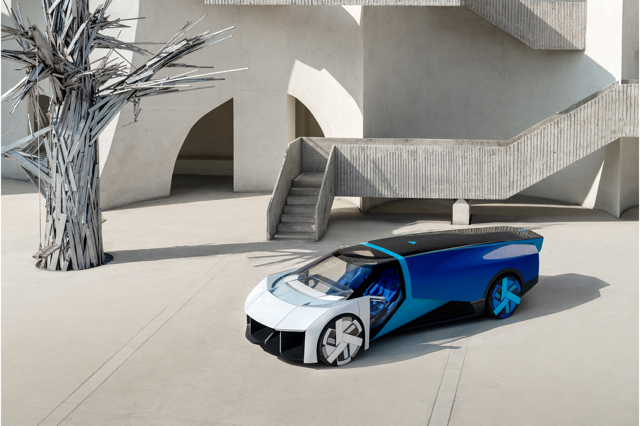
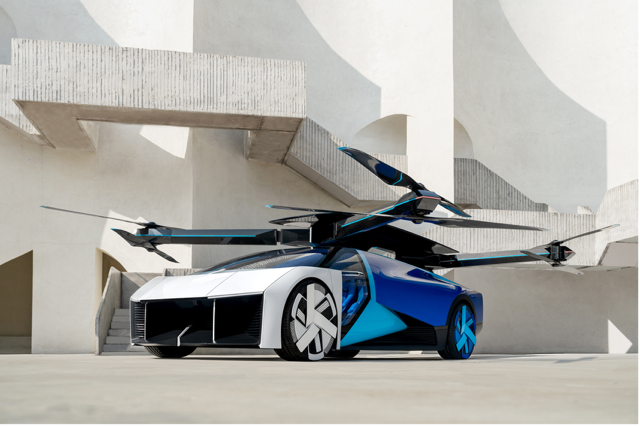
The next stage of ARIDGE’s roadmap focuses on long-distance air mobility. By the end of this year, the company plans to unveil its X5 model, a long-range eVTOL capable of flying over 500 kilometers at speeds exceeding 300 km/h.
“This is for transportation, not just tourism,” Tan said. “You could use it like a helicopter, but cleaner, quieter, and more efficient.”
He notes that the challenge in designing longer-range vehicles is managing “dead weight” or the unnecessary mass that doesn’t contribute to flight, such as heavy suspension or wheel systems. “Every gram counts,” he said. “If you try to make a flying car that’s also a full road car, you lose endurance. You might only fly two or three minutes.”
For that reason, ARIDGE has chosen a modular system: the detachable flight module. Instead of the “one-body” vehicle concept pursued by some competitors, it’s an engineering philosophy built around efficiency rather than brute force.
Step Three: Full Integration
The ultimate goal, Tan said, is a fully integrated flying EV, one that can drive and fly interchangeably without compromise. But he’s realistic about the timeline. “Maybe 10 to 15 years,” he admitted. “We need breakthroughs in battery density first. Right now, the energy capacity still doesn’t meet expectations for long dual-mode operation.”
That honesty underscores ARIDGE’s grounded approach to innovation. The company’s mantra “safety first, innovation second” runs through every part of the process.
“Our aircraft have redundancy systems for everything: propellers, control software, power systems,” Tan said. “If one system fails, another takes over. That’s more redundancy than most helicopters have.”
Innovation & Tech Today Picks 3 of FIX 2025’s Finest
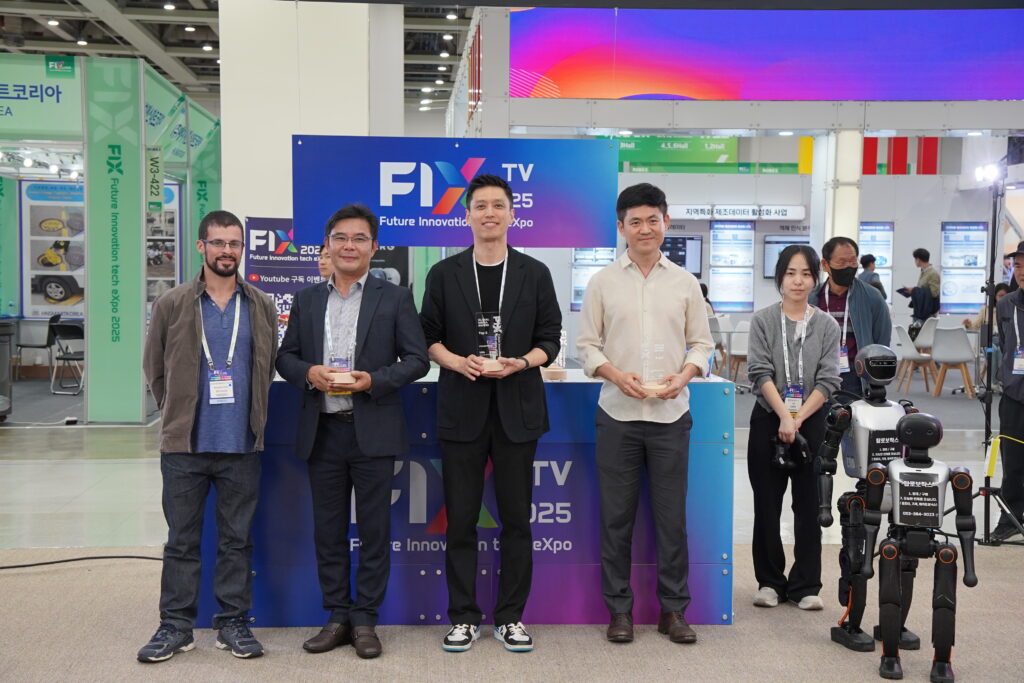
The Future Innovation Tech Expo (FIX) brings together the most forward-thinking companies shaping the next era of global technology. From robotics to sustainability to data-driven innovation… Continue reading
Safety and Certification, A Long Road Upward
ARIDGE is currently working toward airworthiness certification in China, where its initial commercial operations will take place. Tan expects the company to secure its type certification (TC) by the end of the year, enabling limited deployment in the country’s growing network of flying camps.
“Safety is our top priority,” he emphasized. “Certification is complex, but necessary. We are not rushing. We want to ensure everything, from software stability to flight redundancy, is tested for every possible failure mode.”
The company’s first factory, located in Guangfu District, is already operational and dedicated solely to manufacturing flying vehicles. “It’s the world’s first mass-production facility for consumer flying cars,” Tan said proudly. “You can walk the floor and see engineers building the future.”
Innovation Through Integration
XPENG’s background in electric vehicles gives ARIDGE a critical edge. “We align with XPENG’s latest autonomous driving capabilities,” Tan explained. “The same OTA software that powers our cars can be updated for our flying systems.”
The combination of LIDAR, cameras, and autonomous navigation provides a robust safety net in the air, while XPENG’s 800V high-voltage architecture (known for its fast-charging efficiency) ensures energy sustainability.
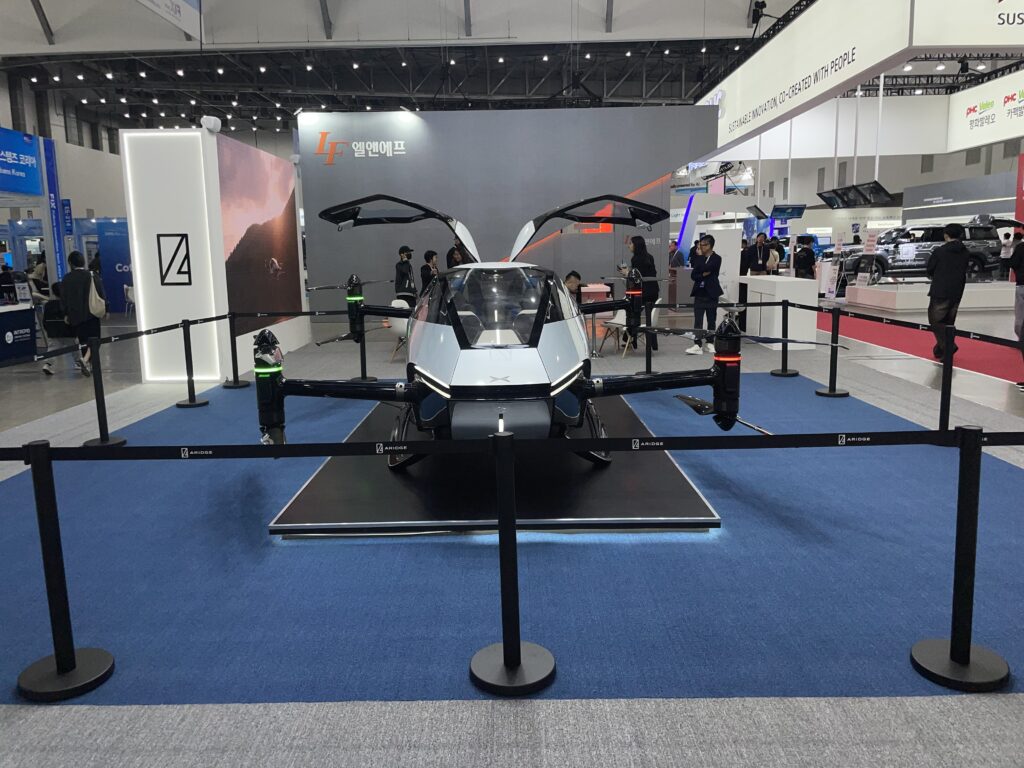
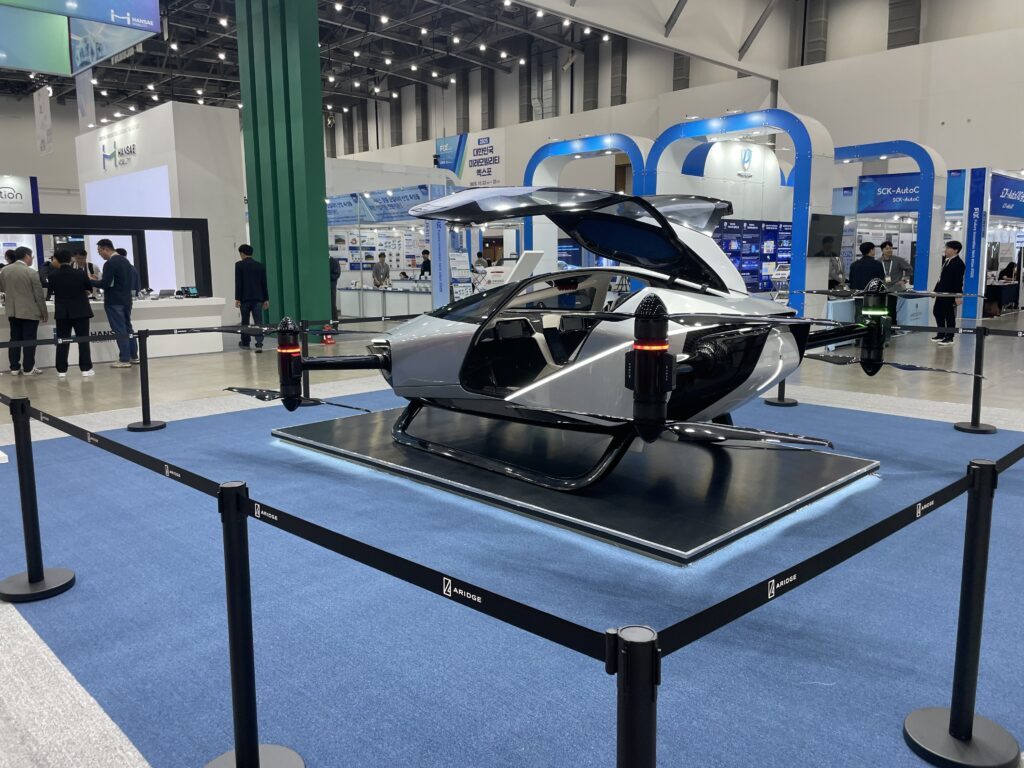
Even the design reflects XPENG’s car-making DNA. The vehicle’s sharp, angular bodywork evokes the Cybertruck aesthetic but sleeker, lighter, and fully carbon fiber. It’s elegant engineering, with a sci-fi twist.
Sustainability in the Skies
Asked about environmental impact, Tan drew parallels with XPENG’s EV heritage. “We’re following the same sustainable energy strategy,” he said. “Clean battery systems, zero emissions, reusable energy. It’s not just flying—it’s green flying.”
Noise reduction, too, plays a critical role in public acceptance. “Our multi-propeller systems are designed for low decibel output,” he explained. “It’s quieter than most drones and much quieter than helicopters.”
The Human Element
For Tan, the dream of flight has always been about freedom. “We want to give people the freedom to fly,” he said. “You can drive your car, release the aircraft, and see the world from a different perspective. It’s not just mobility, it’s emotion.”
Fortunately. he’s careful to temper excitement with pragmatism. “This technology is still in its infancy,” he said. “We’re not trying to replace highways overnight. We’re building the foundation for something that will evolve step by step.”
That measured optimism might be what sets ARIDGE apart in a crowded eVTOL field. Where others are racing to be first, XPENG is content to be right.
“Flying cars are coming,” Tan said, “but they must come safely, sustainably, and beautifully. That’s our mission.”