


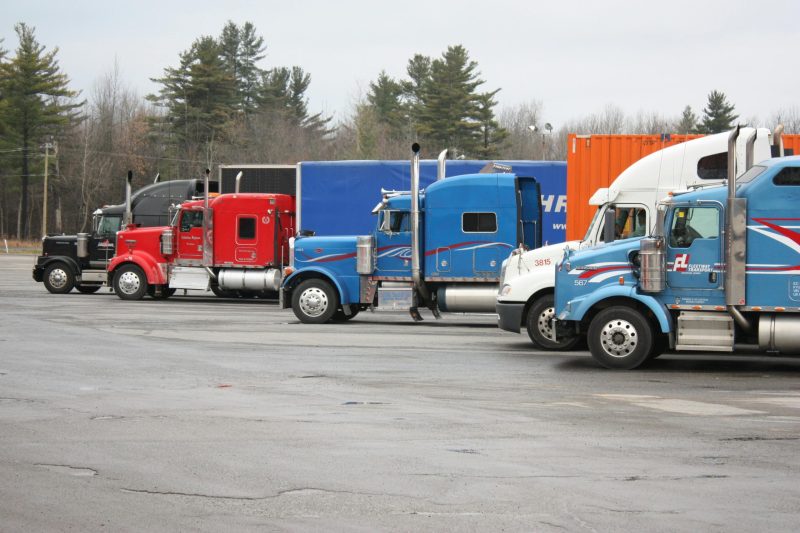
When transportation companies discuss insurance, the conversation typically centers on premiums, policy limits, and coverage terms. However, certain operational factors that significantly influence long-term insurance outcomes are less visible in day-to-day discussions. One of the most important is fleet structure, including the composition of vehicles and the nature and geography of operations.
Two fleets of similar size may experience very different insurance outcomes. One company will be dealing with premium hikes and renewal difficulties on a regular basis, while the other maintains stable coverage for many years. One of the primary drivers of this disparity is fleet structure.
Why Vehicle Diversity Increases the Complexity of Risk Assessment
Different vehicle types introduce distinct risk profiles. Urban vans are more frequently exposed to low-severity incidents such as minor collisions and parking damage. Long-haul trucks, by contrast, operate at higher speeds and weights, increasing the severity of potential losses. Specialized vehicles, such as dump trucks or cranes, often operate in controlled but higher-risk environments like construction sites.
When a company operates several types of vehicles, the complexity of insurance coverage increases. Multiple accident scenarios and liability levels for each vehicle type must be taken into consideration. If this complexity is not reflected in the insurance program, the company may have a policy that does not adequately reflect actual exposure.
In addition, a diverse fleet structure may also affect loss forecasting, where some vehicle types may have stable loss patterns, while others generate infrequent but high-severity claims.
How Fleet Structure Impacts Insurance Stability
Insurance stability reflects a transportation company’s ability to maintain consistent coverage terms over time.
A balanced fleet structure supports more consistent insurance performance, making it easier for a company to analyze accident rates and implement required safety measures.
However, in an unbalanced fleet structure, risks may begin to concentrate, for example, through a higher proportion of vehicles operating in urban or construction environments.
Eventually, this may lead to higher premiums, strict requirements, or even policy non-renewal.
Fleet Structure Factors That Impact Insurance Risks
Several elements within fleet structure can influence overall insurance risk:
- The ratio of different vehicle types;
- Vehicle age and replacement rate;
- Distribution of vehicles by route and operation type;
- Mix of urban and interstate operations;
- Proportion of specialized vehicles with elevated risk profiles.
These factors are critical in determining the balance of third-party liability and financial exposure in the event of a claim.
Why Standard Insurance Plans Do Not Always Account for Fleet Structure
Insurance programs based on average vehicle categories may be problematic because they do not account for the actual operating conditions of individual transportation companies.
If a fleet’s structure deviates from standard classifications, a generalized insurance program may not accurately reflect its operating conditions.
For this reason, some transportation companies are turning to insurance programs that reflect the actual characteristics of their fleet.
Some insurance structures are designed to account for these variations by aligning coverage more closely with actual fleet composition and operations. STAR Mutual RRG, for example, evaluates member fleets based on their specific characteristics rather than relying solely on generalized classifications.
Fleet structure should be reviewed alongside insurance strategy whenever operations change, such as adding new vehicle types, expanding into different routes, or shifting the mix of work performed.
Conclusion
Transportation companies that align their insurance strategy with actual fleet structure are better positioned to maintain stable coverage terms over time. In an environment where insurance markets remain sensitive to loss performance, understanding how fleet composition influences risk is an important component of long-term operational stability.