


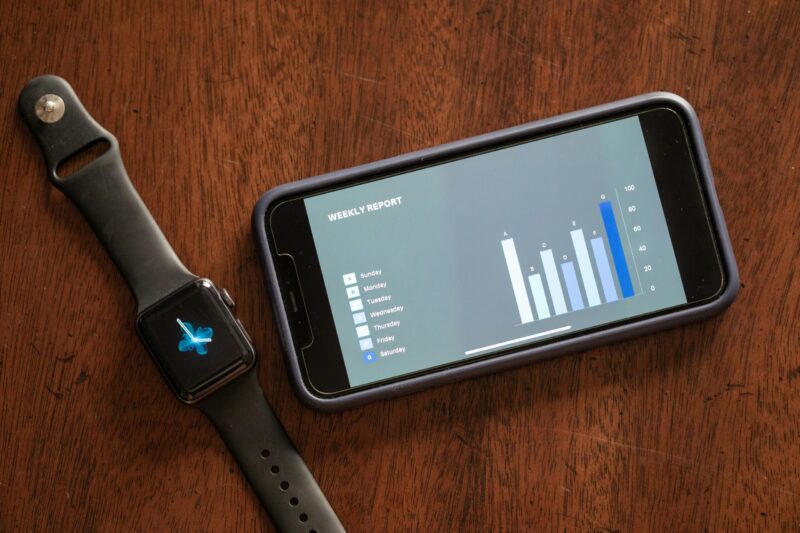
Can wearable devices help improve the health of millions of Americans? The idea has gained national attention as public figures champion widespread use of wearables to track heart rate, glucose, and other metrics as part of a healthier future.
Not all wearables, however, are created equal.
There are important distinctions between consumer wearables, like smartwatches, which are built for convenience and monitoring health and wellness, and clinically validated medical-grade devices, which require regulatory oversight for medical accuracy and clinical precision. Consumer wearables are marketed for general wellness; not intended to diagnose, treat, or monitor disease. Medical-grade wearables are intended for diagnosis, treatment, or monitoring and therefore subject to Food and Drug Administration requirements based on intended use and risk classification.
While consumer wearables might be a key component in making Americans more health-conscious, it’s important to consider how their mass distribution without validation creates a national data quality challenge and runs the risk of confusing wellness with healthcare.
A Vision for a Healthier America
Efforts like Make America Healthy Again aim to reduce chronic disease by encouraging Americans to take charge of their health. Wearables could help achieve that goal, but only if their data is accurate and clinically reliable.
According to estimates from the Centers for Disease Control and Prevention, 129 million Americans have at least one chronic disease, 42% of Americans have two or more conditions and 12% have at least five.
The idea is that by distributing consumer-grade wearables to every American, they can reduce chronic disease by monitoring their heart rate, glucose, and fitness levels, thereby motivating them to make lifestyle changes to improve their health.
Certainly, encouraging consumers to be health conscious by using wearables is a good thing, but without clear validation standards, large-scale use of consumer wearables could blur the line between wellness tracking and clinical care, which might create an impression of medical insight where none exists.
From Wristbands to Rings, Sleep Tech Empowers Elite Athletes
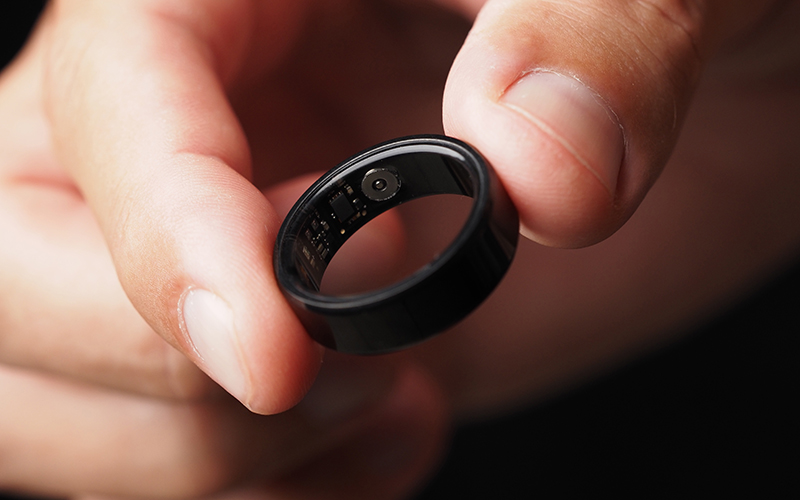
When the stadium lights go dark, professional athletes plug into a different arena—one where heart rate variability (HRV) charts, inflammation scores, and sleep-stage graphs matter as much as the final score. Sleep tracking devices like WHOOP bands and Oura Rings are now as standard as ankle tape… Continue reading
Medical Grade vs. Consumer Grade
Understanding the difference between consumer and medical-grade devices isn’t fundamental to ensuring health data can actually improve outcomes.
Consumer-grade smartwatches and fitness trackers monitor heart rate, glucose levels, and other key metrics, enabling individuals to make more informed lifestyle decisions, but the measurements are often inconsistent and unreliable.
Medical-grade wearables differ from consumer-grade wearables in that they are used for the diagnosis, treatment and monitoring of diseases. And, medical-grade wearables require Food and Drug Administration clearance/authorization/approval when claims indicate diagnosis, treatment, or monitoring; evidence must be fit-for-purpose for the metric and context of use.
Whereas consumer devices are designed for convenience rather than accuracy under clinical or real-world conditions, medical-grade wearables undergo rigorous testing, calibration, validation and regulatory review, ensuring reliable data for patient care and research.
Conflating the two could create confusion and limit desired outcomes.
Consider what happens when a consumer wearable sends an unexpected alert. A smartwatch might flag a high heart rate or irregular rhythm, prompting users to seek medical attention. While the intent is good, these alerts can be inaccurate or inconsistent, leading to unnecessary anxiety and additional healthcare visits that burden an already strained system.
When used under medical supervision and combined with clinically validated devices, wearables become more efficient and relevant. They support targeted monitoring, accurate diagnosis, and timely intervention. But when consumer-grade data is treated as clinical evidence, it can create confusion for both patients and providers.
That’s the difference between convenience and clinical accuracy: one raises concern; the other delivers clarity.
Evidence from New Validation Research
A new study called “Classifying physical activity levels using Mean Amplitude Deviation on adults using a chest worn accelerometer: validation of the Vivalink ECG patch” found that a chest-worn accelerometer (embedded in an ECG patch) achieved near-perfect accuracy (AUC 0.99; 98% sensitivity, 100% specificity) in classifying activity.
There were also strong correlations with heart rate and multi-parameter monitoring (HR, HRV, RR), highlighting the advantage of integrated, validated platforms.
This type of scientific rigor is what is lacking in most consumer-grade wearables, resulting in imprecise data collection that fails to provide a comprehensive and reliable picture of health.
FDA Requirements for Medical-Grade Wearables
How do you know if the wearable on your wrist or hand is consumer-grade or a medical-grade wearable regulated by the FDA?
Devices marketed for “general wellness” receive lighter oversight than wearables whose manufacturers claim they can diagnose, monitor or treat diseases. Once that declaration is made, the FDA steps in.
Wearables that make medical claims fall under FDA regulation and must meet device standards. The FDA classifies devices into Class I, II or III based on the lowest to greatest risk the device “poses to the patient and/or user.”
Fit-for-Purpose Validation
The FDA requires that digital health technologies, including wearables, be validated for the specific metric they measure and the context in which they’re used.
The guidance outlines how wearables and Digital Health Technology can be used in trials, including “fit-for-purpose” validation, roles of sponsors/investigators, data protection and verification/validation.
This newer FDA guidance covers how devices must address cybersecurity design, labeling and documentation in premarket submissions. The FAQ page clarifies obligations under section 524B of the FD&C Act, defines “cyber devices,” and explains when cybersecurity documentation is required.
What’s Missing in the Public Conversation
Many Americans are eager to take charge of their health through consumer wearables that track heart rate, activity, and sleep. With clear validation, growing enthusiasm for wearables can translate into a better understanding of which data supports wellness goals and which can inform clinical decisions.
Wearable technology has an important role to play in improving public health, and both consumer and medical-grade devices have their place. What’s essential is recognizing the difference between general wellness tracking and clinical application. When that distinction is clear and devices used in healthcare meet medical-grade validation standards, wearables can become a powerful extension of our care ecosystem.
With the right foundation of accuracy and reliability, this technology can help clinicians, researchers, and individuals alike take a more informed, proactive approach to health.