


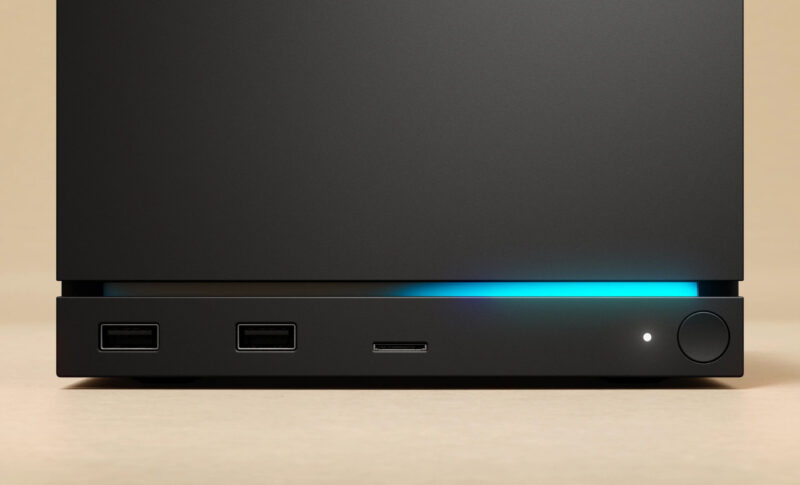
In a quiet corner of the gaming world, a name from the past has suddenly re-emerged to stir some fresh excitement: Steam Machine. More than a decade after Valve’s original attempt at a living-room gaming PC fizzled out, the company is preparing to launch a new iteration of the Steam Machine—this time powered by lessons learned from its runaway success with the Steam Deck and a broader vision for what PC gaming can look like at home.
Learning From the First Failure
The new Steam Machine, unveiled alongside a redesigned Steam Controller and the standalone Steam Frame VR headset, aims to bridge the gap between console-style gaming and the open flexibility of PC hardware. Valve has pitched it as a compact, powerful gaming box with enough grunt to run modern titles at 4K resolution, while still retaining all the openness and customization that has made SteamOS and the PC gaming ecosystem so vital.
Valve’s original Steam Machines, released in the mid-2010s with various manufacturing partners, were hamstrung by inconsistent hardware, a balkanized ecosystem, and limited game support. They never gained traction against consoles or traditional gaming PCs.
But the landscape has changed. The Steam Deck (Valve’s handheld gaming PC running SteamOS) has become one of the most successful pieces of gaming hardware of the generation—proof that there is a substantial audience for more open, flexible gaming hardware outside the traditional console duopoly. That success has given Valve both the confidence and the infrastructure to try again with a living-room-ready device.
The Steam Deck Effect
The new Steam Machine is effectively a compact PC built around SteamOS 3, and is capable of running the full Steam library of games without requiring a separate desktop rig. Valve says the machine packs over six times the performance of a Steam Deck, leveraging a semi-custom AMD Zen 4 processor and an RDNA3-based GPU that targets native 4K at 60 frames per second with FidelityFX Super Resolution (FSR). Storage options include both 512GB and 2TB SSDs, expandability via microSD, and plenty of ports for peripherals and external displays.
Unlike traditional consoles that lock players into curated ecosystems and fixed libraries, Valve’s approach emphasizes openness. Steam Machine runs SteamOS, but like the Steam Deck, it supports Proton—a compatibility layer that lets many Windows games run smoothly on Linux under the hood. Gamers can plug in keyboards, mice, gamepads, and other accessories with ease, and the interface has been optimized for TV screens as much as desktop monitors.
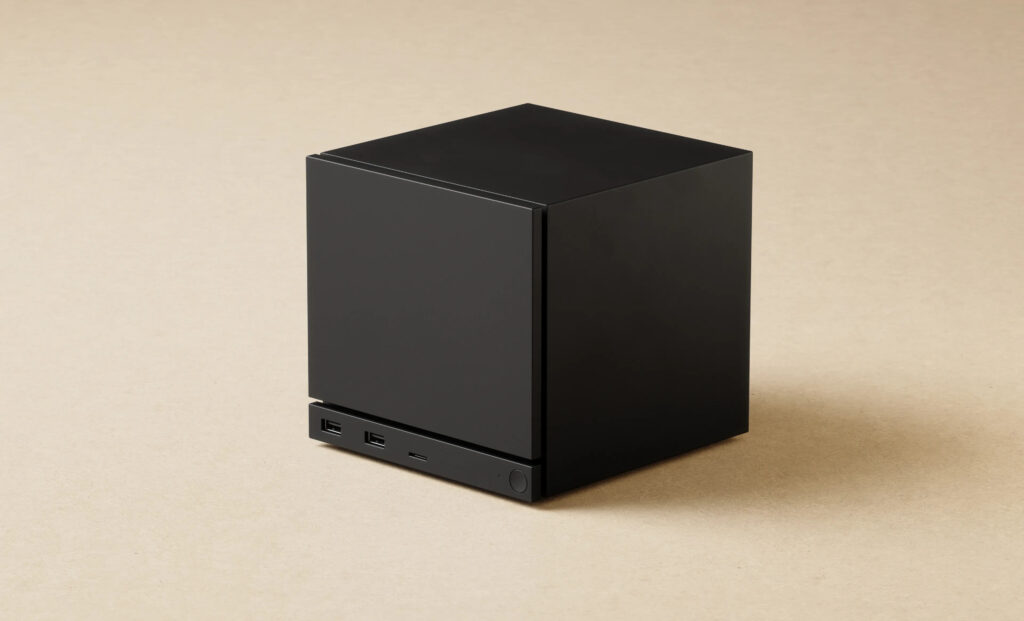
Hardware Specs and Performance Ambitions
The hardware itself is compact: roughly the size of a small cube, with a footprint designed to sit comfortably under a TV or on a desk. Display output options include DisplayPort and HDMI, with DisplayPort supporting high refresh rates and up to 8K resolution, though some HDMI features (like HDMI 2.1) may be constrained by open-source driver limitations.
Valve has explicitly said that the Steam Machine won’t be subsidized like traditional consoles; instead, it will be priced “like a PC with similar performance.” That means many expect it to land well above typical console pricing, potentially placing it more in line with gaming desktops than PlayStation or Xbox hardware.
Valve isn’t stopping with the Steam Machine alone. The company also announced a new Steam Controller, designed to take full advantage of SteamOS and the living-room experience, and the Steam Frame—a standalone virtual reality headset that can run Steam games locally or stream wirelessly from the Steam Machine.
AI-Generated Personalized Gaming Links the Player with the Game Forever

When Wolf Games announced its recent title, Public Eye, the news felt less like a routine game release and more like a symbolic watershed for the industry. Standing at the crossroads of classic Hollywood storytelling and artificial intelligence… Continue reading
Designing for the TV Experience
This ecosystem hints at Valve’s ambition to create a cohesive, cross-device platform where users can play however they like: on handhelds, on desktops, on TVs, or in virtual reality. The Steam Machine is positioned as the home base for that universe—a powerful, flexible hub that doesn’t limit users to one way of gaming.
It also suggests a strategy that differs from traditional console wars. Valve isn’t trying to chase exclusive titles or lock players into a proprietary storefront. Instead, it’s doubling down on Steam’s massive software library, open standards, and user freedom. This approach may appeal especially to PC gamers who’ve long wanted a more console-like experience without sacrificing the ecosystem they’ve invested in for years.
Despite the buzz, questions linger. At the time of writing this article, Valve has not yet announced pricing or a firm release date, only indicating an early 2026 launch window for the Steam Machine and its hardware siblings.
Some enthusiasts have raised concerns about the choice of hardware, noting that the CPU and GPU architecture, while capable, aren’t the absolute latest generation, which could affect long-term performance headroom compared with cutting-edge gaming PCs launching in the same period.

Redefining the Future of Home Gaming
Still, the broader reaction has been one of cautious excitement. The idea of a Valve-backed living-room gaming system that fully embraces the PC tradition with no subscriptions, no forced upgrades, just direct access to Steam’s massive library, is undeniably appealing to many gamers. And with the Steam Deck proving there’s appetite for Valve’s hardware vision, the new Steam Machine could well find its niche.
Valve’s return to the Steam Machine isn’t just a nostalgic callback. It’s a bet on a future where the lines between console and PC blur, where gamers expect flexibility and choice, and where powerful, open hardware can thrive alongside traditional ecosystems.
If successful, the new Steam Machine could redefine what living-room gaming looks like in the decade ahead—giving players a console-like experience that still feels like their own PC. For Valve, it’s a reaffirmation of its long-term mission: maximize player choice and make games accessible on hardware that doesn’t dictate play.
Whether that mission pays off may depend as much on price and software support as on raw performance, but for now, the gaming world is watching closely.