



The promise of urban air mobility is closer to reality with each passing day. After a wave of flashy demos and big bets, real progress still feels just out of reach; however, AIR stands apart amidst the noise. The company unveiled a bold, consumer-centric vision at CES 2026, rejecting crowded air taxi plans in favor of personal eVTOL ownership.
This approach accelerates real flight hours, builds safety trust with regulators, and offers a grounded path for everyday flyers. In a market full of promise but sparse in delivery, AIR’s strategy signals a pragmatic pivot towards an achievable path.
Why Personal Ownership Comes First
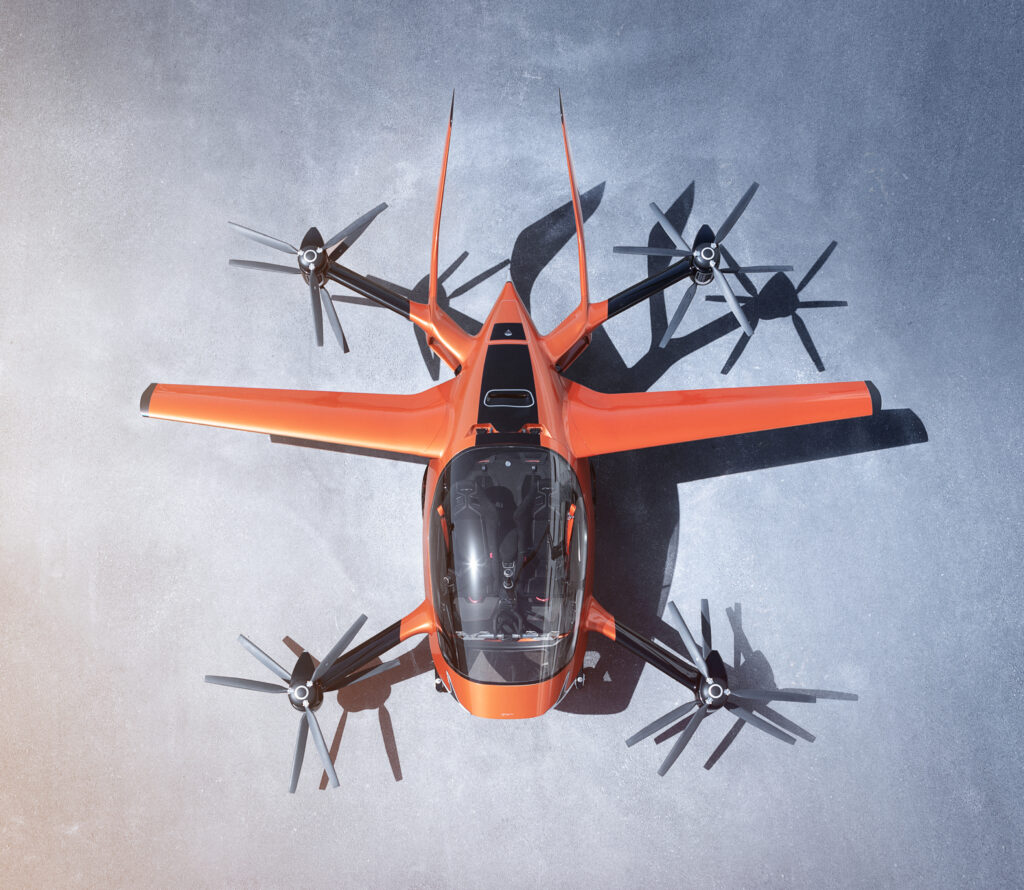
AIR is betting on personal eVTOL ownership over urban air taxis. The reasoning is simple: history favors starting small. “People didn’t start with an Airbus A380; they started with something for the individual,” CEO Rani Plaut explained.
By focusing on personal aircraft, AIR lowers adoption friction. Early users can log flight hours quickly, helping validate safety and build trust with regulators and insurers. Shared mobility, in contrast, adds layers of complexity from fleet management, scheduling, and commercial certification. All of which is before the product even reaches consumers.
This strategy also accelerates technology validation. Each flight collects real-world data, showing the aircraft performs reliably under everyday conditions. Regulators see measurable progress, insurers gain confidence, and early adopters experience the excitement of actual flight.
The approach reflects a pragmatic philosophy: scale after safety, not before. For AIR, this means democratizing access to air mobility in a way that is tangible, testable, and real. Notably, it occurs long before the industry rushes into full-scale air taxi networks.
Focus, Discipline, Innovation
AIR approaches innovation with focus rather than frenzy. Rani Plaut warns that startups often sabotage themselves by trying to change everything at once.
The company centers innovation on the aircraft itself, while using proven off-the-shelf components for motors and subsystems. This reduces risk and speeds certification. AIR also helps write industry standards for electric propulsion but avoids overcomplicating the platform.
The philosophy is clearly to iterate, not revolutionize. Each enhancement is tested and validated before scaling. This disciplined approach maximizes safety, reliability, and user confidence, ensuring consumer trust grows with every successful flight.

The Limits of Energy Density
Battery technology defines the limits of personal eVTOL performance, and that trade-off constrains range and payload. “For every pound of fuel, you need 30 pounds of battery,” said Plaut. “Now you have 29 pounds you have to carry with you.”
AIR targets 60–100 mile trips for its first-generation aircraft which is enough for daily commutes or regional flights. Hybrid solutions could extend range, but breakthroughs in energy density remain off in the distance.
The company balances practicality and ambition. By setting achievable targets, AIR avoids overpromising and ensures that early adopters experience reliable, safe flight. Incremental improvements pave the way for broader adoption.

The “Midsection” Strategy Navigates the FAA
Certification can make or break an eVTOL startup. AIR operates in the “midsection” between ultra-strict commercial certification and hobbyist rules.
FAA certification comes in three layers: type certification for large aircraft, part 103 for ultra-light hobbyist craft, and the midsection, which allows self-declared compliance. AIR chose the midsection for its balance of safety and speed. The FAA reviews the manufacturer’s declaration rather than conducting exhaustive tests, reducing delays without compromising oversight.
Early engagement is key. AIR’s first hire was a certification engineer, signaling commitment to safety from day one. This approach builds credibility with regulators and insurers, while keeping consumer adoption on track.

Regulation as a Design Constraint
For AIR, regulation is less of a hurdle and more of a guide. Plaut emphasizes that early collaboration shapes safer, faster, and more credible products.
“Gaining momentum with a novel aircraft means convincing the public, insurers, and the FAA,” Plaut mentioned. “Personal ownership is the fastest path to clock hours, build safety records, and gain regulatory acceptance.”
Rules inform design choices, from battery safety to flight envelope protection. Integrating regulation into development balances innovation with practical safety, a critical factor for first-generation consumer eVTOLs.
The takeaway: understand the environment, adapt, and innovate within achievable boundaries.
Automation Without Losing Control
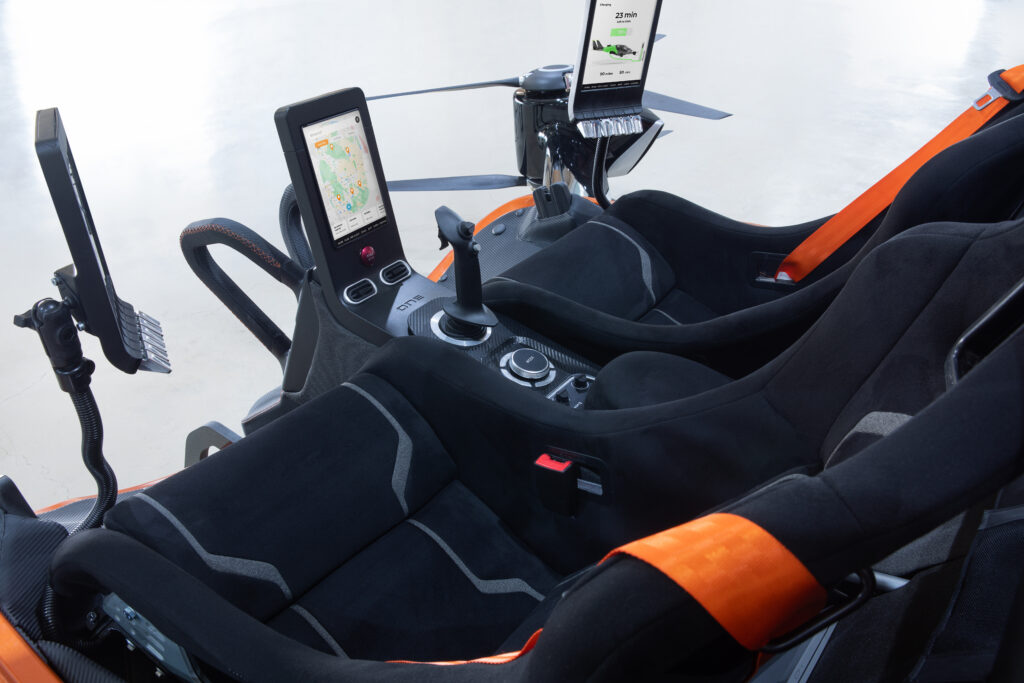
AIR balances automation with pilot engagement. Systems provide envelope protection and partial automation, preventing dangerous maneuvers while letting pilots retain control over takeoff, landing, and in-flight decisions.
Regulators and users prefer hands-on experience, while flight enjoyment remains critical. This approach builds public trust and ensures adoption is safe, enjoyable, and credible.
“Full autonomy isn’t viable now [because] regulators are cautious, and pilots want to participate, not relinquish control,” Plaut advised.
Credibility Over Hype
In eVTOLs, flight beats marketing. Plaut insists that demonstrations, not promises, build credibility. Many competitors have failed to deliver flying aircraft, harming the market’s reputation.
AIR focuses on real-world performance. Each flight logs data, tests safety systems, and proves reliability to regulators, insurers, and consumers. Lessons from automotive and defense sectors show that credibility compounds with measurable results.
The philosophy simply delivers first then talks later.
Why the U.S. Market Matters Most
The U.S. offers vast airspace and untapped demand for personal eVTOLs. Rani Plaut notes that light sport aircraft fly across massive, uninterrupted areas, making the country ideal for early adoption.
FAA data shows 200,000 potential consumers have considered pilot licenses but face barriers like cost, noise, and infrastructure. AIR aims to unlock this market with practical, accessible aircraft.
Scaling production is the biggest challenge. Thousands are already on the waitlist, and meeting demand requires careful planning and supply chain management. Success here positions AIR as a leader in consumer air mobility.
Scaling Carefully in a Fast-Moving Market
AIR faces a classic startup tension: demand outpaces production. Thousands of pre-orders sit on the waitlist, creating pressure to ramp up quickly without compromising safety.
Rani Plaut emphasizes practical growth. The company manages supply chain constraints, component sourcing, and manufacturing capacity carefully to avoid delays or quality issues. “If you’re not aching, you’re not growing,” Plaut mentioned to highlight the challenges of startup scale.
Investor expectations must also be grounded. AIR communicates technical progress clearly, ensuring enthusiasm doesn’t outpace deliverables.
Their strategy is to scale responsibly, iterate continuously, and maintain trust.
AIR’s Roadmap Takes Flight
AIR’s approach shows that personal eVTOLs can scale safely and credibly. By prioritizing consumer ownership, regulatory alignment, and practical innovation, the company turns ambitious ideas into tangible results.
Rani Plaut’s strategy emphasizes simplicity, discipline, and trust in order to start small, fly early, and iterate deliberately. Flight demonstrations, careful certification, and incremental innovation build confidence with regulators, insurers, and customers alike.
In a market crowded with hype, AIR proves that reliable performance beats marketing claims. For the future of consumer air mobility, the lesson is clear: practical safety and real-world proof create the foundation for adoption and growth.