


Safe deployment of autonomous vehicles (AVs) comes down to cities’ ability to offer clean, dynamic data to everyone. INRIX, a leader in mobility analytics and real-time traffic intelligence, provides cities and operators with actionable insights to improve safety and efficiency. Its platform collects and analyzes billions of trips and roadway events, helping cities understand traffic flows, curbside activity, and congestion patterns. This has positioned INRIX as a critical partner for municipalities preparing for the arrival of AVs.
Cities Face New Challenges
As AVs move from pilots to paid services, cities face a complex challenge in ensuring safe deployment. Michael Cottle, senior vice president of enterprise at INRIX, emphasized this key point. “Data is the digital fuel that AVs run on, and making sure that data is accurate and easily available makes our streets and sidewalks safer,” he said.
Unlike human drivers, AVs rely on digital representations of streets, curbs, and traffic rules to make real-time decisions. If that information is fragmented or outdated, especially when stored in spreadsheets or static GIS layers, AVs struggle to navigate complex urban environments. Cottle noted that cities were now facing a challenge similar to the physical infrastructure build-out of traffic signs and signals: they needed to create a digital infrastructure equivalent to support AV safety.
Data Fuel Drives Public Safety
AVs cannot interpret signs or painted lines like humans; instead, they require continuously updated data streams. “AV companies had to build their own digital infrastructures, and many struggled with securing updated data,” Cottle said. “It was in cities’ best interests to make sure that any AV operating in their traffic networks was running on the most reliable, up-to-date data available.”
Accurate and dynamic data is particularly critical at pickup and drop-off points, which are among the most complex actions an AV performed. Streets change depending on the time of day, events restrict stopping, and fees can apply in certain zones. Without consistent, reliable data, AVs are not able to safely navigate these interactions, putting passengers and other road users at risk.
Also Read: Why Smart Roads are Just as Important as Autonomous Vehicles
The Curb as a Safety Nexus
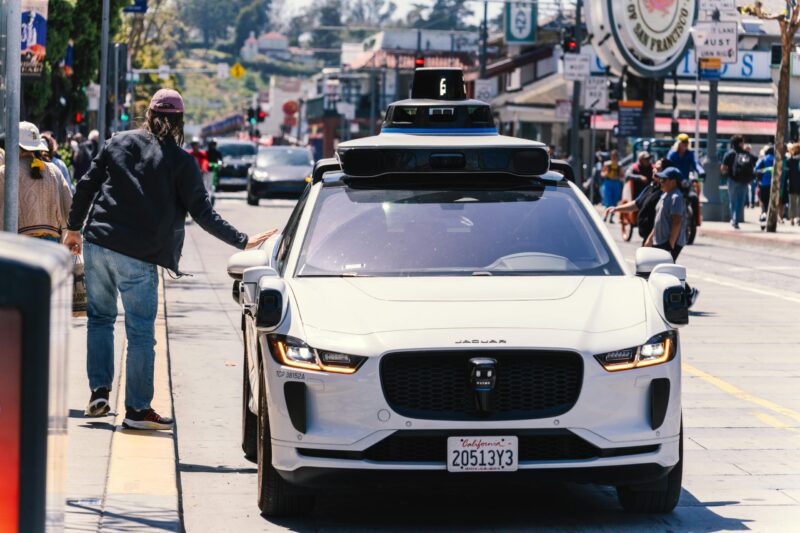
Curbside interactions are where risks converge. According to Cottle, “Pulling up to or away from a curbside stop was one of the most complex actions an AV could take. Myriad factors and decisions were involved.” Vehicles have to consider traffic flow, nearby pedestrians, cyclists, and increasingly, delivery robots.
“The curbside is a nexus point of many different road users,” Cottle said. “Getting these moments right mattered, not just for the passenger, but for other drivers, pedestrians, bicyclists, and other vulnerable road users.” Cities that failed to provide up-to-date curb and street data leave these interactions to chance, potentially creating congestion or safety hazards.
Why Traditional City Workflows Struggle
Many cities continue to rely on traditional data management tools such as static maps, spreadsheets, and siloed departmental workflows. While these systems worked for human drivers, they are insufficient for AVs, which depend on real-time, integrated information.
Cottle stressed the importance of dynamic, shared data: “Once that data was available, it was important that it was shared dynamically, such as through an open API.” This ensures AVs responded to current conditions rather than outdated instructions, reducing risk for everyone on the street.
Cities Should Prioritize Analytics
To scale AVs safely, cities need to provide both corridor-level and curb-level data. Cottle highlighted the importance of trip analytics, which included traffic flows, departure and destination patterns, and peak-time diversions. He also stressed the need for right-of-way data, temporary road closures, parking restrictions, and fee zones.
“Trip analytics helped cities and transportation agencies optimize curbside pickups and drop-offs by identifying high-demand zones and times,” Cottle said. Accurate, real-time data allowed AVs to operate safely while cities gained insights into traffic patterns, congestion hotspots, and urban planning opportunities.
Digital Data, Safer City Streets
Cities have long invested in physical traffic infrastructure to ensure safety. Today, digital infrastructure must complement the physical. “Think about the time and effort it took cities to build out their traffic safety infrastructure, down to signs and signals and paint on the streets. Cities were facing a similar challenge with AVs,” Cottle noted.
By providing clean, dynamic, and shareable data, cities can ensure AVs operate predictably, curbside interactions remain safe, and streets function efficiently for all users, including pedestrians, cyclists, and delivery services.
Safe deployment of autonomous vehicles is not just about the technology inside the car; it began with cities. Accurate, dynamic, and shared city data enables AVs to make better decisions, improve safety for all road users, and allow urban traffic systems to function more smoothly. Cities that invested early in digital infrastructure help define the pace and safety of AV integration, ensuring that urban streets are prepared for the future of mobility.