

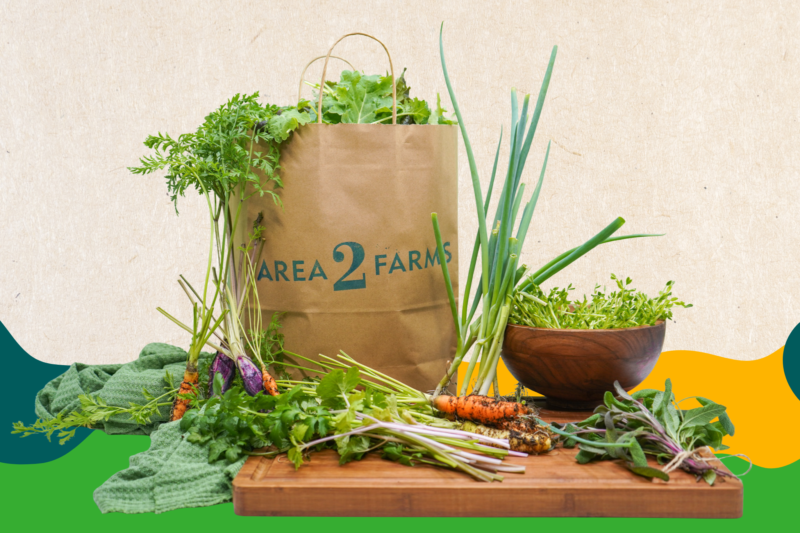
Not that long ago, farmers and their farms were integral parts of the communities they served. Oren Falkowitz, founder of Area 2 Farms, remembers that time well. Today, their vision is simple: Move the farm, not the food.
“Growing up in south Florida, my mother and I would drive a mile or so to Blood’s orange groves to buy fruit and juice,” he said. “We knew the people who worked there and they knew us. Today those groves are gone and oranges grown as far north as Georgia are trucked back to where they were originally grown to be sold.”
10,000 Years of Change to Solve the Same Old Problems
No other development has had a greater impact on the course of civilization than farming. The rise of some of the first cities coincides with the appearance of domesticated wheat, rice and corn. While the pace of innovation has been relentless since then, some of traditional farming’s basic problems remain.
Yes, fruits and vegetables are available year-round, but they come from large corporate farms that breed crops for transport and shelf life rather than flavor and nutrition.
Farmland produces more tonnage per acre than ever, but the pressures of a changing climate are making that growth unsustainable. And for the most part, farming is still a subsistence occupation, with farmers reaping only 16 cents of every dollar spent on the food they grow.
Taking Farming Back to its Roots
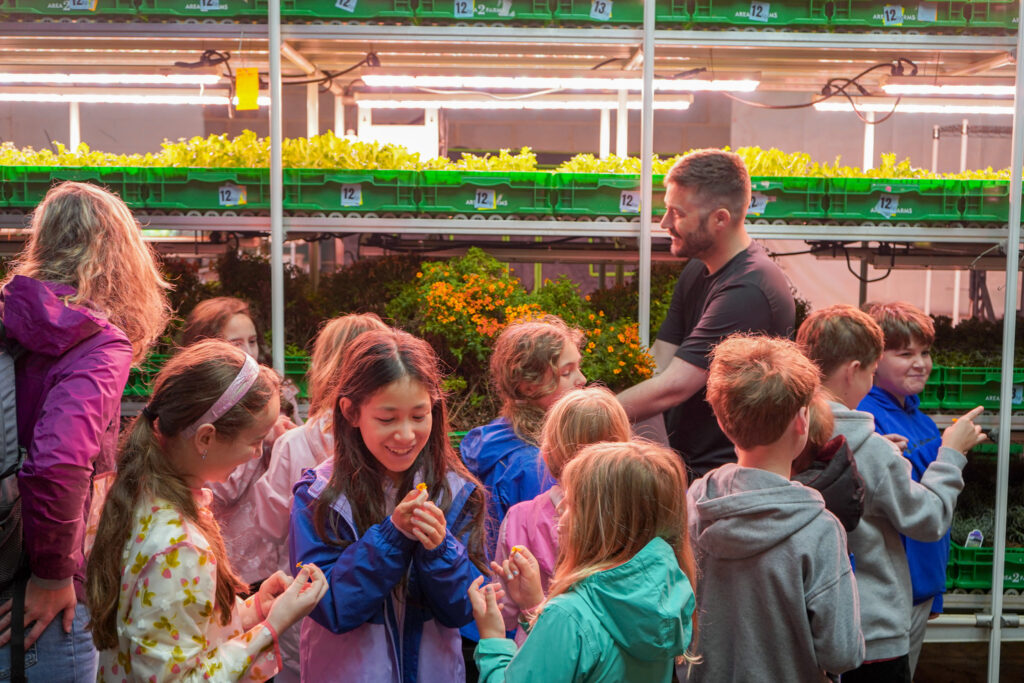
Area 2 Farms set out to solve these problems with not only innovative technology and new thinking, but also with a return to farming’s traditional values. That means farms that are part of the communities they serve, that produce a wide variety of delicious, nutritious food, and that afford farmers a sustainable, living wage. All of which is made possible by their mantra, “Move the farm, not the food.”
“Vertical farming is probably the least interesting part of our story,” Falkowitz said. “That’s an idea that’s been around since the Hanging Gardens of Babylon, and it’s particularly uninteresting if all you’re going to do with your vertically grown produce is ship it to a big grocery chain. We have a completely different model, one aspect of which is verticality, but there are also others that make our farms extraordinarily productive and efficient.”
Area 2 Farms works more like the orange groves of Falkowitz’s childhood, but with enough high-tech twists to make venture capitalists take notice. He recently closed $9 million in new funding from Seven Seven Six, Slow Ventures and Amino to replicate the A2F concept in 10 new cities across the U.S.
New Off-Grid Fridge Tech Keeps Food Fresh for Up to Five Days Without Power
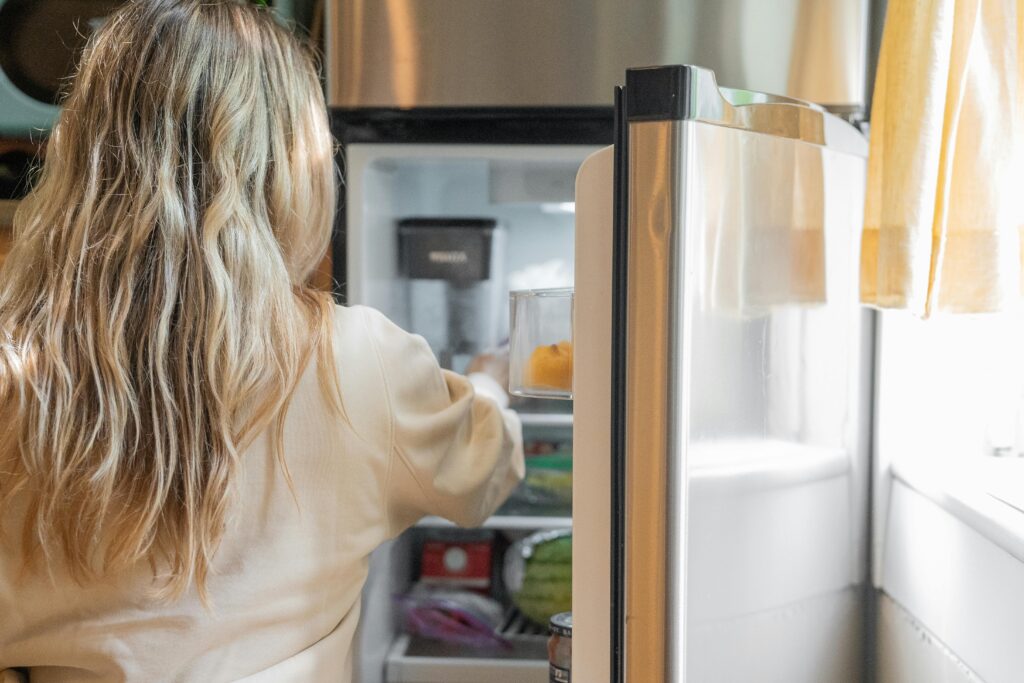
When the grid goes dark, most refrigerators warm quickly, and food safety becomes a countdown. New solar-powered refrigeration technologies are changing that equation, offering systems that stay cold for days even with limited sunlight… Continue reading
In 2026, he’s looking to open new farms in Philadelphia, Charlotte, Nashville, Miami, Orlando, Austin, Raleigh-Durham, and Atlanta. His goal is to build an Area 2 Farm within 10 miles of 90% of the U.S. population.
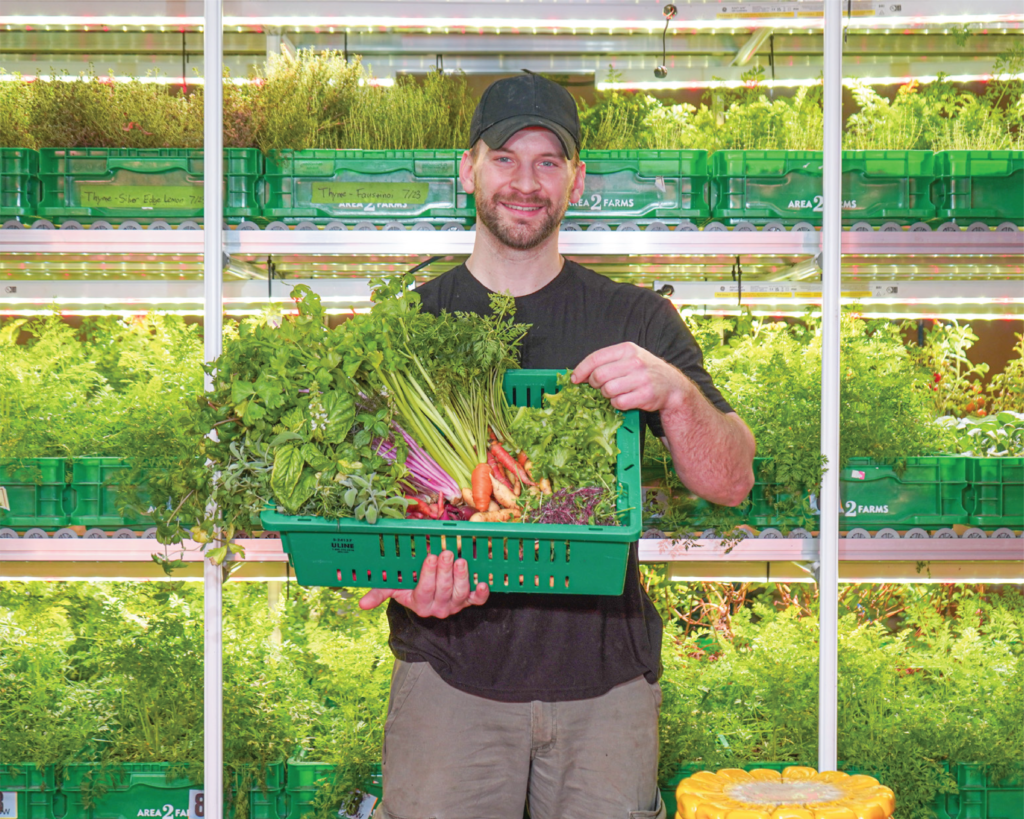
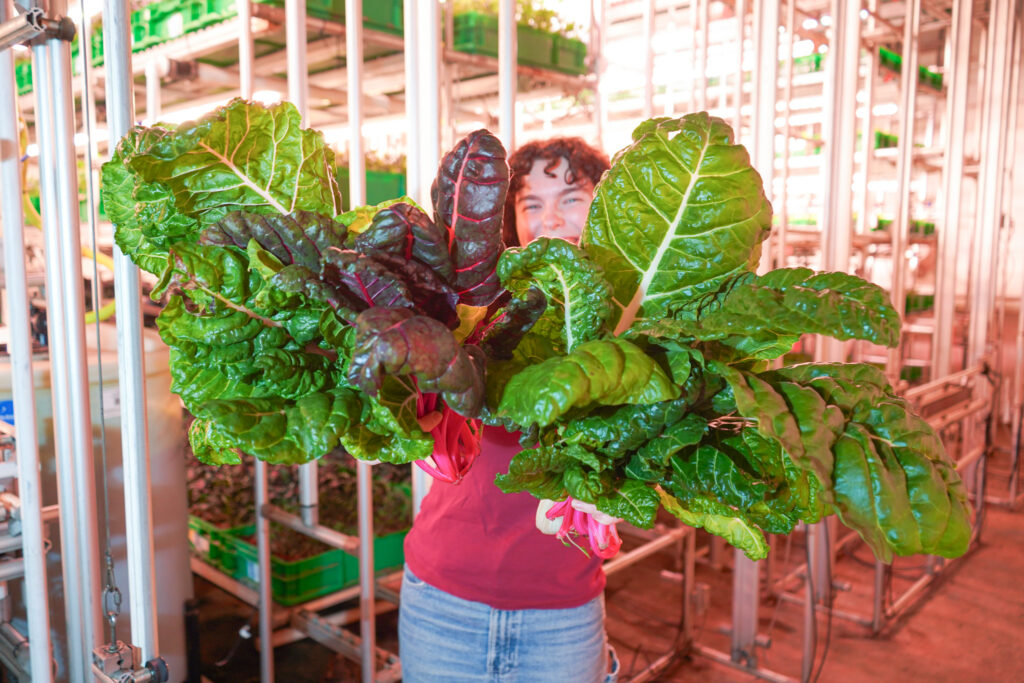
This three year old prototype farm, based in Arlington, VA, has produced more than 20,000 harvests, using a proprietary, modular growing system that automatically moves crops through a circadian cycle that maximizes plant growth, taste and nutrition.
Planting in a proprietary blend of soil so rich that customers who are gardeners sign up in advance to buy it, the farm grows deliberately diverse varieties of lettuce, spinach, carrots, potatoes, tomatoes, and herbs, along with more exotic items such as spicy wasabi arugula and purple shamrock.
An on-staff chef works with farmers to plan and rotate crop varieties and create recipes for items customers may not be familiar with. The whole operation is so efficient, the 18-foot-tall racks deliver the equivalent annual production of 200 acres of farmland from less than 5000 square feet.
That’s just one of the reasons Falkowitz is so intent on expanding Area 2 Farms to other parts of the country.
“We developed this technology to be able to fit just about anywhere. The Arlington farm sits between a dog grooming salon and a car repair shop,” he said. “Our ability to adapt our hyperlocal footprint to practically any urban landscape is a tremendous advantage, but also part of our ethos. We build farms where we do to connect them with the people they serve. That idea seems to resonate because we’ve been sold out for the last hundred weeks.”
What’s Old is New Again
Falkowitz formerly held positions within the Department of Defense at the National Security Agency and then later started, ran and sold two cybersecurity companies. His instincts for creating valuable businesses are good because he draws upon experiences that shaped his values, like growing up in south Florida, and the years he spent working in Silicon Valley.
“Coming from California, where there’s a robust farming community that benefits from at least three full growing seasons a year, I realized how easy it was to make healthy eating choices and to get all these great produce varieties. Unfortunately, that’s not the reality for people in other parts of the country,” said Falkowitz. “You can only eat what’s available and if what’s available has been on a truck for a month or was flown in from Peru a couple weeks ago, then that’s what you’re going to eat. But having a farm in your neighborhood that delivers fresh, healthy produce right to your door once a week changes that equation. Now you have a real choice about what you feed yourself and your family.”
The Area 2 Farms concept works so well when so many other vertical farms are failing is that it isn’t just based on which direction the food is grown. Rather, it solves a multi-modal problem by challenging the very assumptions that caused the problem in the first place. Traditional farms don’t fit in cities anymore. They’re too big and too far away. And they can only exist because of a fragile and cumbersome transportation system whose demands are in conflict with the very idea of food itself.
In other words, moving the food creates food that isn’t worth eating. But moving the farm into the communities of consumers who are starving for healthy alternatives to what’s available at their local supermarkets? That’s genius.
It’s genius because it doesn’t just work for big corporations, it works for everyone else. And because it’s not just a farm. It’s a new kind of neighborhood infrastructure that supports farmers, consumers, and the neighborhood they all live in by delivering, every week, the exceptionally good food those farms create.
After all, that’s how it started.