

We spend roughly 80-90% of our lives indoors, yet indoor air quality rarely gets the attention it deserves compared to outdoor pollution. Here’s a sobering fact: the Environmental Protection Agency has found that indoor air can be two to five times more polluted than the air outside. This directly affects our respiratory health and overall well-being, potentially triggering allergies, worsening asthma, and contributing to long-term health problems. The good news? Homeowners have numerous practical options at their disposal—from better ventilation and controlling pollution sources to investing in technologies like an air purifier—to transform their homes into healthier environments.
Understanding Indoor Air Pollutants
Particulate matter stands out as one of the most concerning indoor air threats. These particles come in different sizes: fine particles (PM2.5) and larger ones (PM10) that drift in from dust, pet dander, cooking activities, and outdoor sources that seep into our homes. What makes them particularly dangerous is their ability to penetrate deep into lung tissue, causing both immediate irritation and lasting health effects.
Volatile organic compounds (VOCs) are another major concern, continuously releasing from everyday household items like paints, cleaning supplies, furniture, and carpeting. These chemical vapors can trigger headaches, dizziness, and respiratory irritation. Some have been linked to more serious health consequences when exposure occurs over extended periods.
Biological contaminants flourish indoors, especially where humidity runs high. Mold spores, dust mites, bacteria, and pet allergens circulate throughout homes, often triggering allergic reactions and respiratory symptoms in those who are sensitive to them.
Combustion byproducts enter our indoor air through gas appliances, fireplaces, and tobacco smoke, introducing carbon monoxide, nitrogen dioxide, and other harmful compounds. Even well-maintained appliances can contribute to indoor pollution when ventilation falls short.
Health Impacts of Poor Indoor Air Quality
Our respiratory systems take the biggest hit from poor indoor air quality. Immediate symptoms often include persistent coughing, wheezing, throat irritation, and difficulty breathing. These reactions frequently worsen pre-existing conditions like asthma and can progress to chronic bronchitis when exposure continues over time.
Certain groups face greater risks. Children breathe faster than adults and spend more time near floor level, where heavier pollutants tend to settle. Their still-developing respiratory systems make them especially vulnerable to long-term effects. Older adults and individuals with weakened immune systems also experience more severe reactions to indoor air pollutants.
Recent research has begun connecting poor indoor air quality to cardiovascular stress, disrupted sleep patterns, and cognitive effects. When multiple low-level pollutants combine, they can create what experts call “sick building syndrome”—a condition where people experience ongoing health symptoms that mysteriously improve once they leave the building.
Practical Solutions for Improving Indoor Air Quality
Controlling pollution sources remains the most effective strategy for cleaner indoor air. When shopping for paints, cleaning products, and furniture, look for low-VOC options. Eliminate indoor smoking entirely, and make sure you have adequate ventilation when using products that release fumes. Consistent cleaning helps reduce dust and allergen buildup, while keeping humidity levels between 30-50% prevents mold from taking hold.
Smart ventilation practices help dilute pollutants naturally. Open windows when outdoor air quality allows, run exhaust fans in kitchens and bathrooms during and after use, and keep up with regular HVAC maintenance. Good air exchange reduces pollutant concentrations in a natural, cost-effective way.
Mechanical filtration becomes valuable when source control and ventilation aren’t enough on their own. HEPA filters excel at capturing particles as tiny as 0.3 microns with 99.97% efficiency, while activated carbon filters tackle VOCs and unwanted odors. Households in high-pollution areas or those dealing with multiple indoor pollution sources often find mechanical filtration serves as an excellent backup strategy, though it works best alongside source control efforts.
Measuring and Monitoring Indoor Air Quality
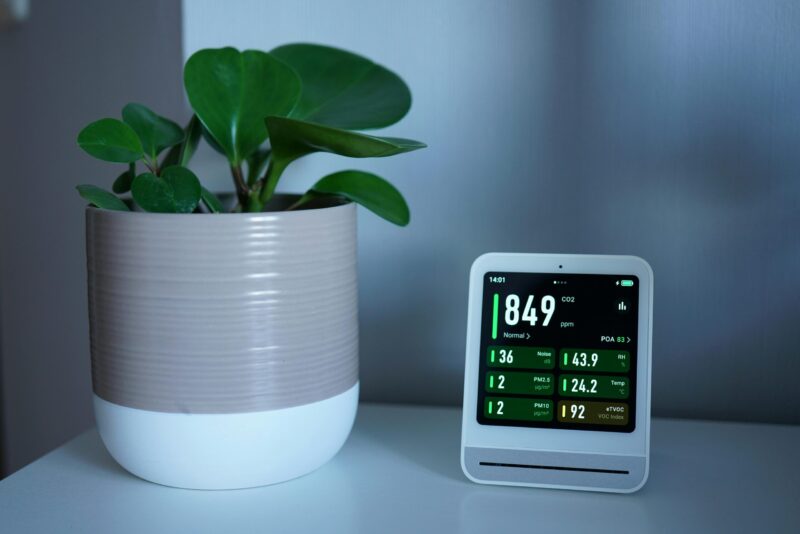
You can’t manage what you don’t measure. PM2.5 monitors give you real-time data on particle concentrations, while CO2 sensors help gauge whether your ventilation is adequate—readings above 1,000 ppm typically signal insufficient air exchange. Today’s consumer market offers many affordable devices that can monitor multiple pollutants simultaneously.
Consider bringing in a professional when household members experience ongoing health symptoms, after major renovations or water damage, or when your initial measurements reveal worrisome pollutant levels.
Creating Your Action Plan
Start by conducting a straightforward assessment of potential air quality issues in your home. Look for obvious culprits like smoking, pets, or moisture problems. Then prioritize your interventions based on who lives in your home and what pollution sources you’ve identified.
Begin with budget-friendly solutions: boost ventilation, eliminate clear pollution sources, and establish consistent cleaning habits. Track your progress using simple indicators like fewer allergy symptoms or improved sleep quality. As your budget and needs allow, gradually layer in additional measures.
Making Indoor Air Quality a Priority
Indoor air quality represents one aspect of home health that you can actually control, and it makes a real difference in daily well-being. Solutions exist for every budget, from simple habit changes to sophisticated technological approaches. When you treat air quality as an ongoing commitment rather than a one-time project, you can create healthier indoor environments that support your family’s long-term respiratory health and overall quality of life.