

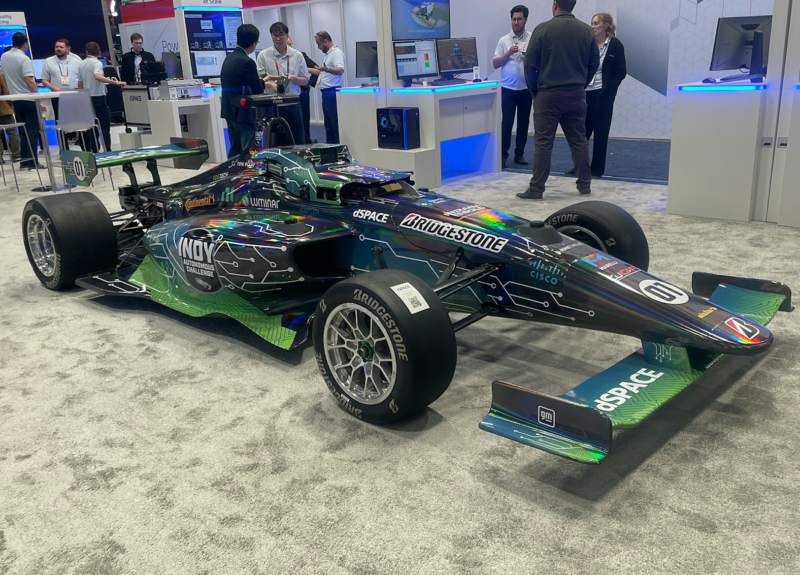
CES 2026 closed up shop with a clear indicator that the fourth Industrial Revolution is no longer theoretical. A lofty concept, indeed. But is it that farfetched? Artificial intelligence, robotics, and connected systems are now deeply embedded across consumer tech, enterprise solutions, and everyday life; there’s no turning back.
More than 148,000 attendees and over 4,100 exhibitors filled Las Vegas as the industry shifted its focus from experimental concepts to scalable, real-world applications. CES 2026 highlighted how intelligence is becoming the backbone of modern innovation, and Innovation & Tech Today is along for the ride.
AI Moves From Feature to Foundation
Artificial intelligence dominated the show floor, but the conversation has changed. Rather than being positioned as an add-on, AI is now embedded at the core of products and platforms like computers, desktop assistants, and even children’s toys.
Manufacturers showcased AI-powered appliances that learn user behavior, robotics systems capable of navigating complex environments, and adaptive devices designed to operate with minimal human input. The emphasis was on practicality and deployment, signaling a move away from novelty toward real-world solutions.
This shift, often referred to as “physical AI,” defined CES 2026 and emphasized the growing role of intelligent systems in daily life.
Robotics and Automation Hit New Heights
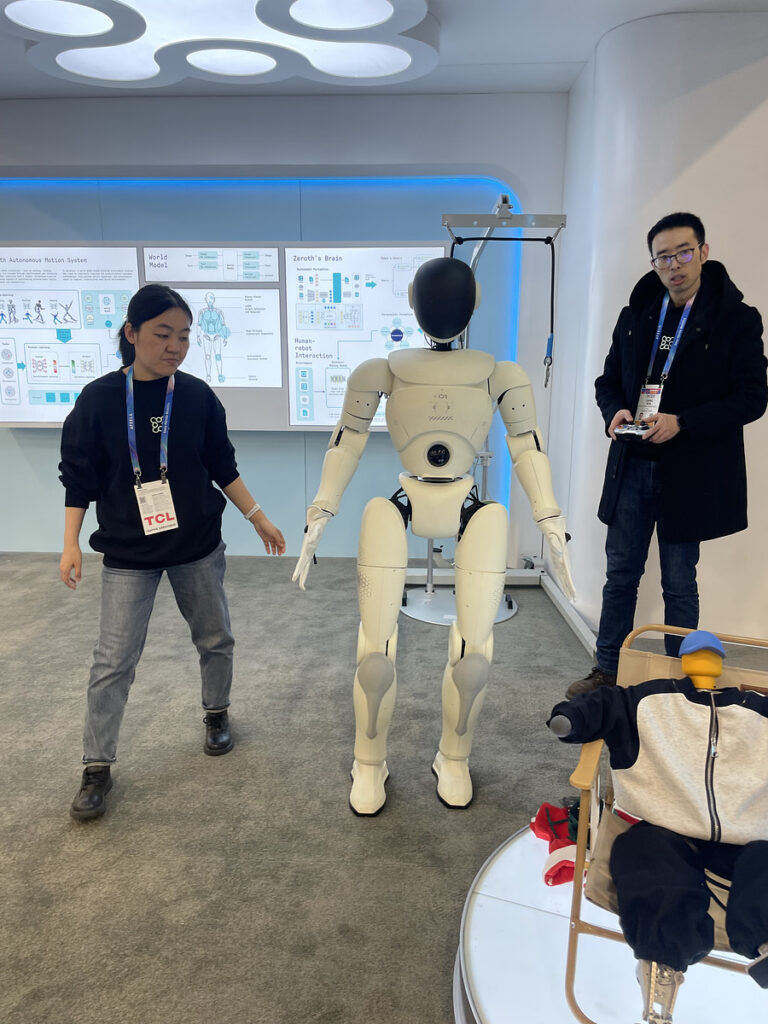
Robotics delivered one of the strongest showings in CES history, with a noticeable shift toward humanoid systems designed to operate in real-world environments. Companies demonstrated robots built for homes, warehouses, healthcare facilities, and public spaces. The presence of humanoid platforms signaled a growing belief that human-like form factors may be key to integrating robots into everyday life.
Boston Dynamics’ latest iteration of Atlas exemplified this transition, showcasing improved balance, dexterity, and task adaptability aimed at real-world deployment rather than just spectacle (i.e. the robot olympics). International robotics firms such as Unitree and Agibot also drew significant attention, presenting humanoid robots focused on mobility, manipulation, and cost efficiency. These factors are critical for broader adoption beyond industrial use.
Unlike past years, robotics demonstrations at CES 2026 emphasized readiness over research. Firefighting robots, logistics automation systems, and assistive machines highlighted practical use cases, reliability, and safety. Together, these displays reflected an industry preparing for scaled deployment, suggesting that humanoid and autonomous robots are moving closer to becoming functional participants in daily life.
Also read: CES Day 4 Recap
Foldables, Displays, and Device Evolution
Foldable devices emerged as a defining theme at CES 2026. Rather than positioning foldables as novelty items, manufacturers emphasized durability, refined hinge mechanisms, and software designed to support dynamic screen configurations. These improvements suggest the foldable category is maturing, with devices increasingly positioned as hybrid tools that blur the line between smartphones, tablets, and portable workstations.
Displays also remained a central focus across the show floor, reflecting continued demand for larger, brighter, and more versatile visual experiences. Massive OLED panels and modular display systems dominated exhibit halls, targeting both consumer living spaces and commercial environments.
Lighting and customization technologies, including RGB and adaptive backlighting, have also become central to modern displays. These innovations allow users to adjust color, brightness, and mood across devices, creating immersive environments for gaming, media, and work. Together, these developments point to a future in which screens are not just static objects but flexible, personalized platforms integrated into daily life, work, and entertainment.
Next-generation home entertainment solutions further reinforced this trend, with manufacturers showcasing displays designed for immersive viewing in retail, hospitality, and enterprise settings. Together, these developments point to a future in which screens become flexible platforms designed to integrate seamlessly into daily life, work, and entertainment.
Celebrities Highlight Tech’s Cultural Reach
CES 2026 continued to blur the line between technology and culture, with celebrity appearances underscoring the industry’s expanding influence.
Serena Williams, entrepreneur and 23-time Grand Slam champion, spoke on biowearables during an Abbott-presented session, highlighting how connected health technology can enhance human performance. RZA (Bobby Diggs) of the Wu-Tang Clan and Hank Shocklee of Public Enemy participated in panels exploring AI, creativity, and innovation.
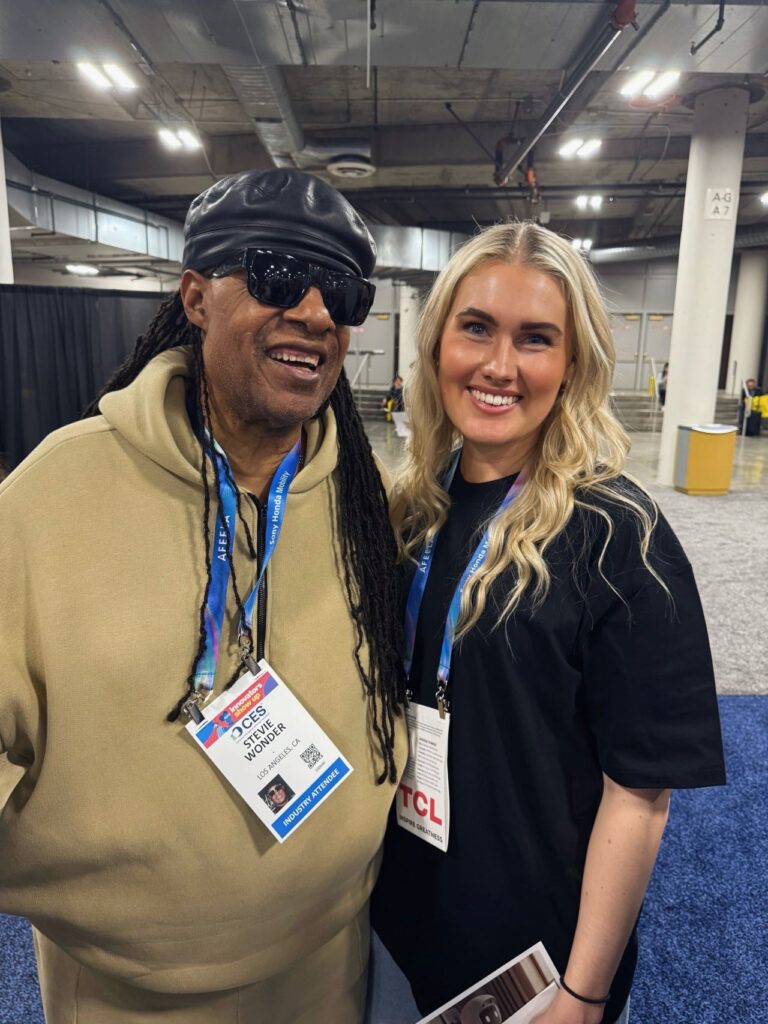
Chef and TV host Tyler Florence discussed AI’s growing role in the culinary world, while Gary Vaynerchuk, CEO of VaynerX, addressed how automation and AI are reshaping performance marketing. Additional sightings included Travis Scott, Stevie Wonder, Joseph Gordon-Levitt, Simon Helberg, and Breckin Meyer.
Sneaker designer Jeff Staples, notable for his Nike Pigeon Dunk shoe, made an appearance on the show floor for his collaboration with artist will.i.am from the Black Eyed Peas. All these pieces combined reinforce CES’s role as a cultural gathering integrated with technological advancements.
Key Themes Shape CES Headlines
Several narratives emerged consistently throughout the week, pointing to a broader structural shift in the technology industry. Artificial intelligence has moved from a competitive differentiator to a baseline expectation, with companies increasingly judged not on whether they use AI, but on how effectively, responsibly, and transparently it is deployed.
Robotics followed a similar trajectory. Many exhibitors emphasized reliability, safety, and real-world readiness over experimental demonstrations, signaling that autonomous systems are moving closer to practical adoption at scale across homes, workplaces, and public environments.
As connected devices continue to multiply, concerns around privacy, data governance, and ethical use remained central to discussions on the show floor. Growing scrutiny from regulators and consumers alike has pushed companies to address how user data is collected, secured, and managed.
CES 2026 also highlighted the accelerating convergence of entertainment, wellness, and consumer technology. AI-driven platforms are increasingly shaping how content is created, how health and performance are monitored, and how users interact with technology in daily life.
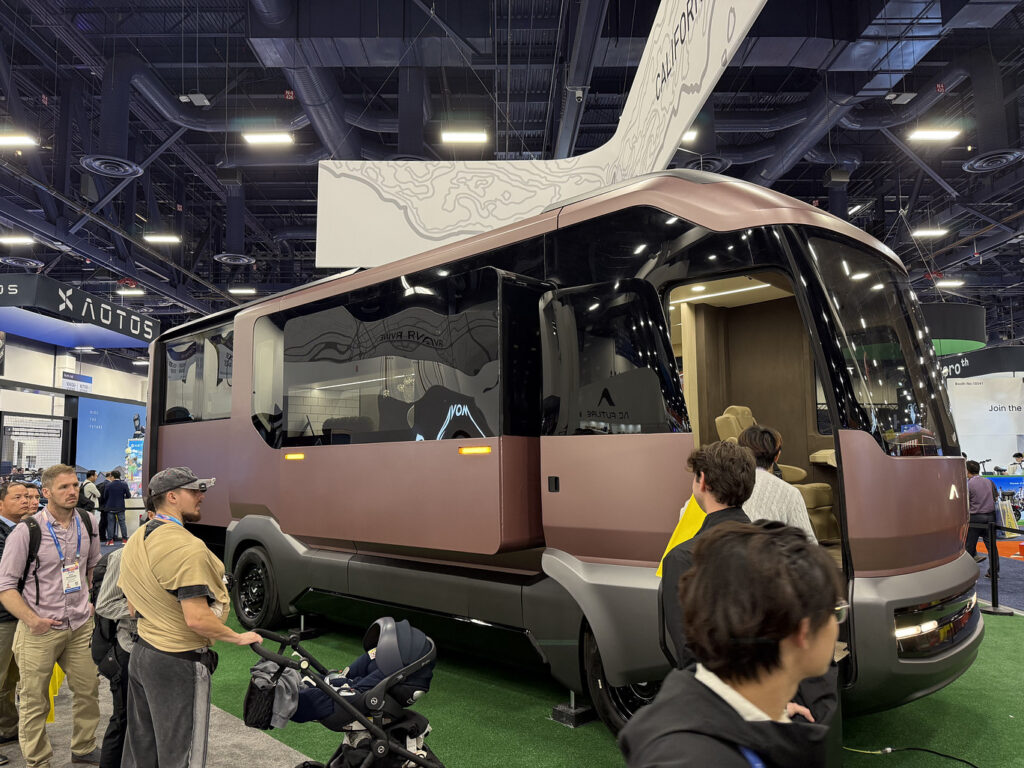
Mobility was another major focus at CES 2026, with autonomous vehicles and next-generation aerial platforms taking center stage. Automakers and startups alike showcased self-driving cars equipped with advanced AI navigation, sensor fusion, and predictive safety systems designed for both urban and long-distance travel.
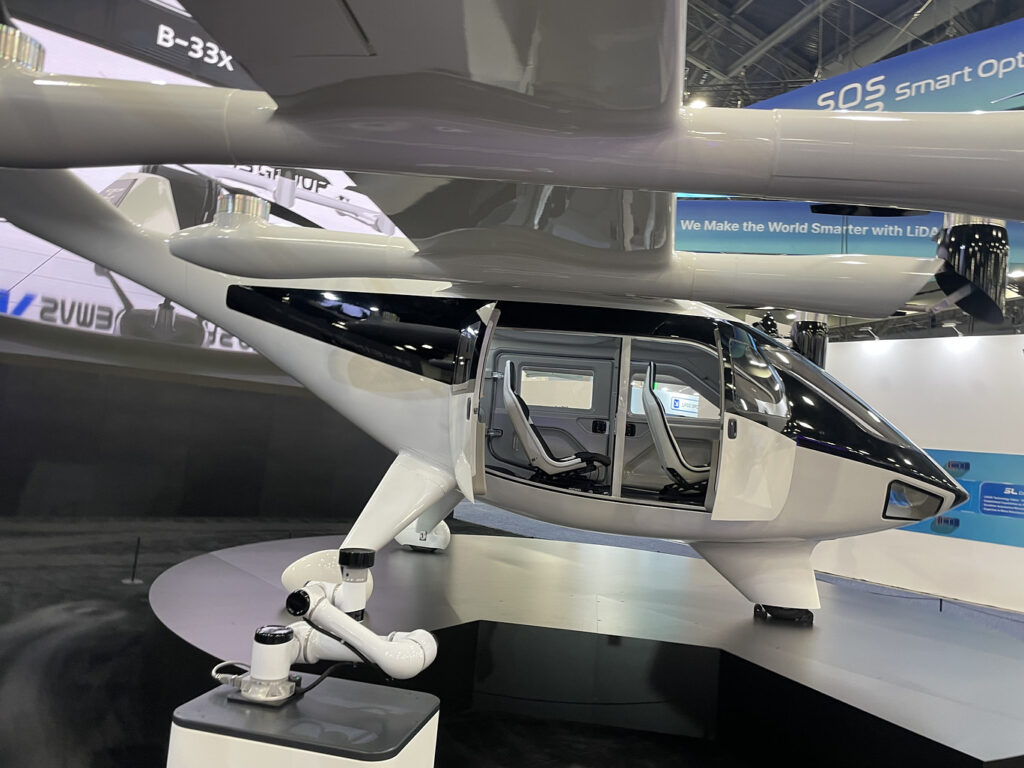
Meanwhile, flying cars and eVTOLs drew attention as companies demonstrated early-stage prototypes aimed at addressing congestion and redefining personal transportation. Across the board, the message was clear: mobility innovation is moving rapidly from concept to reality, with AI, autonomy, and hybrid transportation solutions poised to reshape how people move through cities and beyond.
This convergence illustrates a shift toward interconnected ecosystems, where innovation is defined less by individual products and more by how technologies operate together across multiple sectors.
A Blueprint for the Fourth Industrial Revolution
CES 2026 represented a turning point in modern society. Across AI, robotics, foldable devices, immersive displays, and autonomous mobility, technology is increasingly moving from isolated innovations to interconnected ecosystems that shape how we live, work, and interact.
The technologies on display emphasized integration, practicality, and the profound ways innovation is beginning to touch every aspect of human experience. CES 2026 made one thing abundantly clear: the future is intelligent and connected, but still deeply human-centric.