


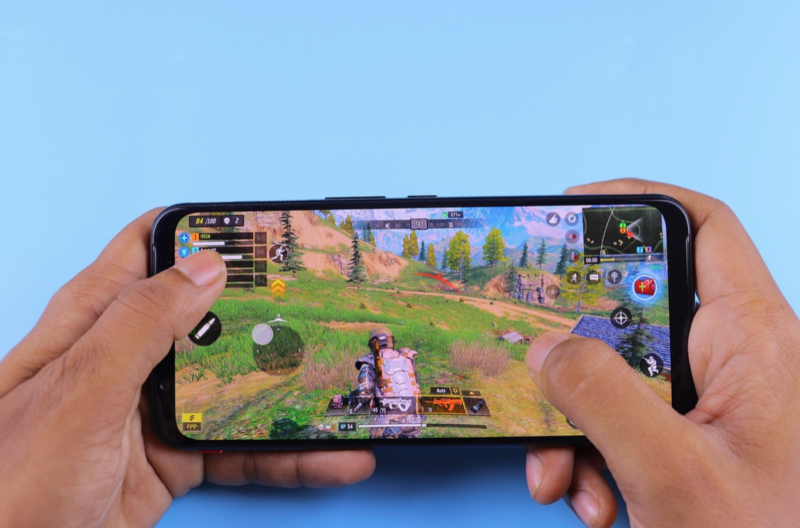
It’s nice to see “You win” on the screen every once in a while. But games can do so much more and offer players various ways to feel rewarded. From deep stories, hidden gems, mini-games, and achievements that acknowledge the players’ skills, time, and contribution, games have a myriad of ways to reward their players. And the best ones use multiple tiers to truly make their players feel appreciated.
Real-Money Wins
In iGaming environments, player success takes a slightly different form than in video games. While outcomes are often tied to chance-based systems, platforms still use recognition layers that value loyalty, strategic engagement, or long-term participation – it’s not all about games paying out (although it is a big factor). Regular users might access tailored offers, higher-tier experiences, or interactive features that reflect their activity history.
And as players play more, they usually get better at the game. This learned skill now gives them a sense of pride, as they can apply it while they play. Casino games require skill and expertise in some areas, and the so called progressive slots have increasing rewards each time a player spins the reels, where players with more experience know when to stop and when to continue. The emphasis isn’t on earning but on acknowledgment—on making the experience feel more personalized for those who play responsibly and consistently.
Skill Recognition And Rank Progression
Many platforms reward success through visible ranking systems. Climbing the competitive ladder in games like League of Legends, Valorant, or Dota 2 carries both social and psychological value. Players don’t receive tangible rewards for every victory, yet the progression itself becomes a form of recognition. Rank isn’t only about power; it signals time, learning, and mastery.
From an industry perspective, ranks serve as engagement tools. Players remain invested when the system acknowledges progress through gradual milestones. The best designs avoid punishing failure too harshly while still making advancement meaningful. Players value that sense of earned identity more than any physical prize.
Tournament And Seasonal Honors
Competitive titles structure their reward systems around seasons. Success earns not just higher ranks but symbolic recognition—titles, badges, or end-of-season accolades. Rocket League, for example, gives unique rewards tied to specific competitive tiers, or collaborations like with their Deadmau5 event, marking each player’s performance across that period.
Seasonal resets also keep players engaged. You lose your rank each cycle, but that loss isn’t punishment. It’s renewal. The idea of returning stronger in a new season aligns with the psychological rhythm of improvement. Players appreciate that balance between closure and fresh opportunity.
In-Game Economies And Achievement Currencies
In-game currencies that reward consistent play rather than spending have become a defining feature of modern design. Systems like battle passes or event tokens encourage players to complete challenges, not to chase financial gain but to convert time into recognition. The act of earning feels satisfying because it mirrors real-world progress—steady, tangible, traceable. Platforms use these currencies to create internal ecosystems that reward participation. Done right, they make play itself feel productive, not in monetary terms but in creative fulfillment.
Reputation, Mentorship, and Player Contribution
Online platforms also reward contributions that go beyond competition. Many now track positive behavior, offering in-game acknowledgment for good sportsmanship or mentoring. Systems like the League of Legends honor levels or Overwatch’s endorsement program encourage players to support community health.
These non-material rewards matter. After all, games rely on cooperation as much as competition. When a platform visibly recognizes supportive behavior, it nudges culture in a healthier direction. And for some, being known as a respected player becomes the most valuable achievement of all.
Emerging Trends In Reward Design
Reward systems have grown to be more flexible. Developers experiment with hybrid structures combining progression, personalization, and narrative acknowledgment. Some titles now adapt rewards to player style. Narrative-driven RPGs like Destiny 2 weave story outcomes into performance recognition. A player who completes specific challenges might trigger unique dialogue or small shifts in world state.
This personalized feedback loop feels more intimate. It rewards curiosity and persistence rather than sheer skill. As systems become more sophisticated, we’ll likely see games that remember how we play and respond to that history dynamically.
Why Recognition Still Matters
Behind all these mechanics lies a simple truth: players want their time to matter. Online games reward success not just with digital items but with validation, with proof that effort carries meaning. The forms may vary—cosmetic, social, narrative—but the core remains recognition. It’s not about prizes or profit. It’s about identity, continuity, and belonging inside a virtual space that feels alive and responsive.
In The End
Online gaming platforms reward success by celebrating dedication and skill in diverse ways that reach beyond simple metrics. Whether through visible ranks, creative expression, or community respect, these systems affirm that effort counts. Recognition, when earned honestly, keeps players returning not just for play but for purpose.